
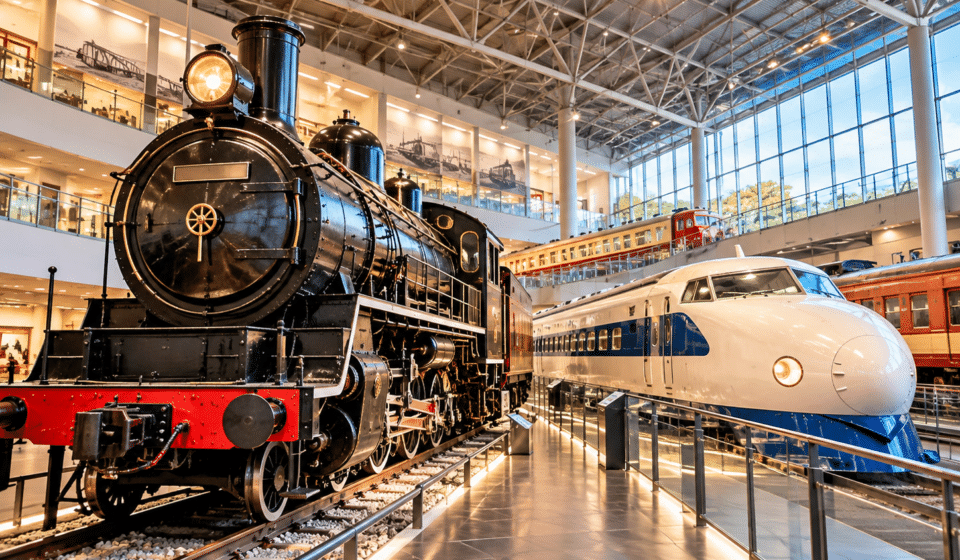
Railway Museum Saitama Guide: Tickets, Access & Highlights
This Railway Museum Saitama Guide will help you plan a smooth visit to one of Japan’s best-known railway museums. Located in Omiya, Saitama City, the museum is an easy day trip from Tokyo and a great choice for train fans, families, and travelers interested in Japan’s transport history.
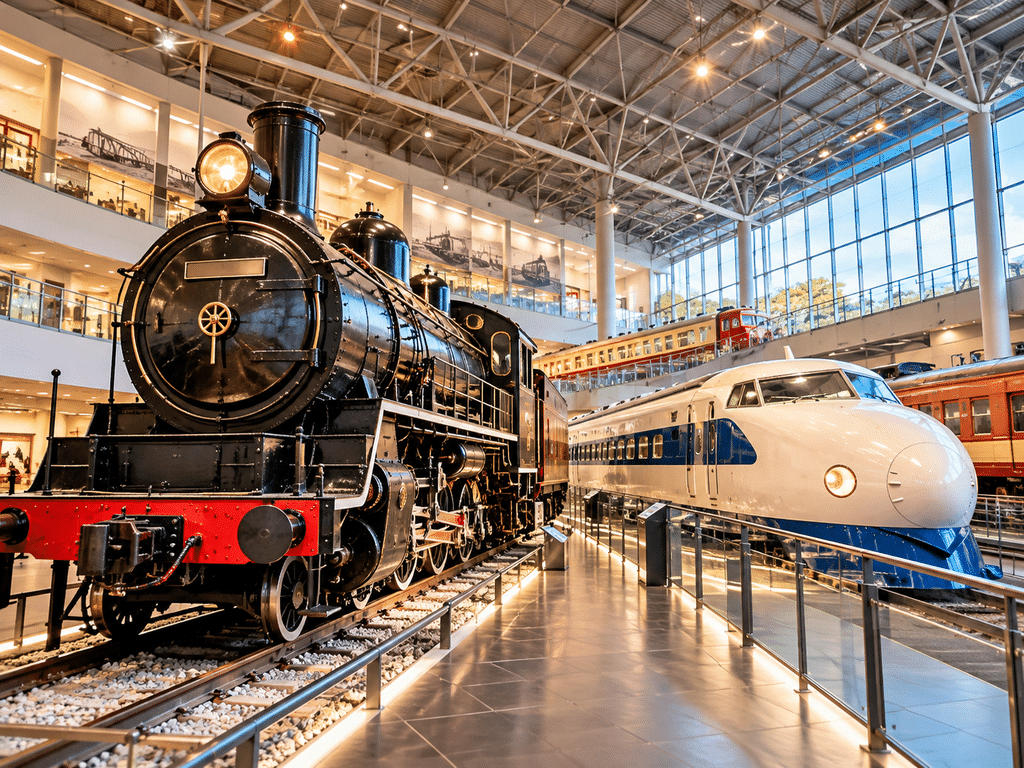
Table of Contents
Railway Museum Saitama Guide: Why Visit?
The Railway Museum is one of Omiya’s major attractions and a good way to learn how railways developed in Japan. Its large collection, indoor exhibits, preserved rolling stock, and hands-on learning areas make it suitable for both serious train enthusiasts and casual visitors.
Because Omiya is well connected with Tokyo, the museum also works well as part of a wider Saitama itinerary. You can visit the museum on its own or combine it with Hikawa Shrine, Omiya Park, and the bonsai area.
Tickets and Opening Hours
As of 2026, the Railway Museum is open from 10:00 to 17:00, with final admission at 16:30. It is generally closed on Tuesdays and during the New Year holiday period.
Regular same-day admission is currently ¥1,600 for adults, ¥600 for elementary, junior high, and high school students, and ¥300 for preschool children aged 3 and older. Discounted advance tickets are also available when purchased by the previous day.
Because opening days and admission details can change, check the official Railway Museum website before your visit.
How to Get to the Railway Museum
The museum is located in Omiya-ku, Saitama City. From central Tokyo, first travel to Omiya Station using a JR line. From Omiya, take the New Shuttle to Tetsudo-Hakubutsukan Station. The museum is directly connected to the station area, making the final part of the journey simple.
If you are already exploring Omiya, it is easy to include the museum in the same day. See our Omiya Travel Guide for more nearby ideas. Open the Railway Museum in Google Maps →
Top Highlights Inside the Museum
1. Historic Railway Vehicles
One of the biggest reasons to visit is the collection of real railway vehicles. Seeing full-size trains up close gives you a much better sense of how Japanese rail travel has changed over time.
2. Railway History Exhibits
The museum explains the development of rail transport in Japan through displays, historical materials, models, and preserved equipment. Even if you are not a train expert, the exhibits help connect Japan’s railway system with the country’s modern history.
3. Simulator and Experience Areas
Some hands-on experiences and simulator programs are available, and selected activities may require separate reservations or specific tickets. Availability can vary, so check the museum’s current instructions before your visit.
4. Family-Friendly Learning Spaces
The museum is especially popular with families because many exhibits are visual, interactive, and easy to enjoy without needing detailed railway knowledge. Children can see trains at full scale and learn how railway systems work.
5. Train Watching and Museum Views
Depending on where you are inside the museum, you may also be able to watch real trains running near Omiya. This makes the visit feel connected to Japan’s active railway network rather than being only a historical exhibition.
Tips for Families and First-Time Visitors
- Arrive near opening time if you want a more relaxed start.
- Buy tickets in advance if you prefer to reduce waiting on the day.
- Check simulator or experience reservations before leaving home.
- Wear comfortable shoes because the museum is large.
- Allow extra time if you are visiting with children.
- Keep your schedule flexible so you can spend longer in the exhibits you enjoy most.
How Long to Spend at the Museum
For most visitors, around three to four hours is a comfortable amount of time. Train enthusiasts and families may want longer, especially if they plan to join hands-on activities, stop for lunch, or explore the exhibits slowly.
If your main goal is a quick overview, you can see the key areas in less time. However, trying to combine too many Omiya attractions in one day can make the visit feel rushed.
What to Do Nearby
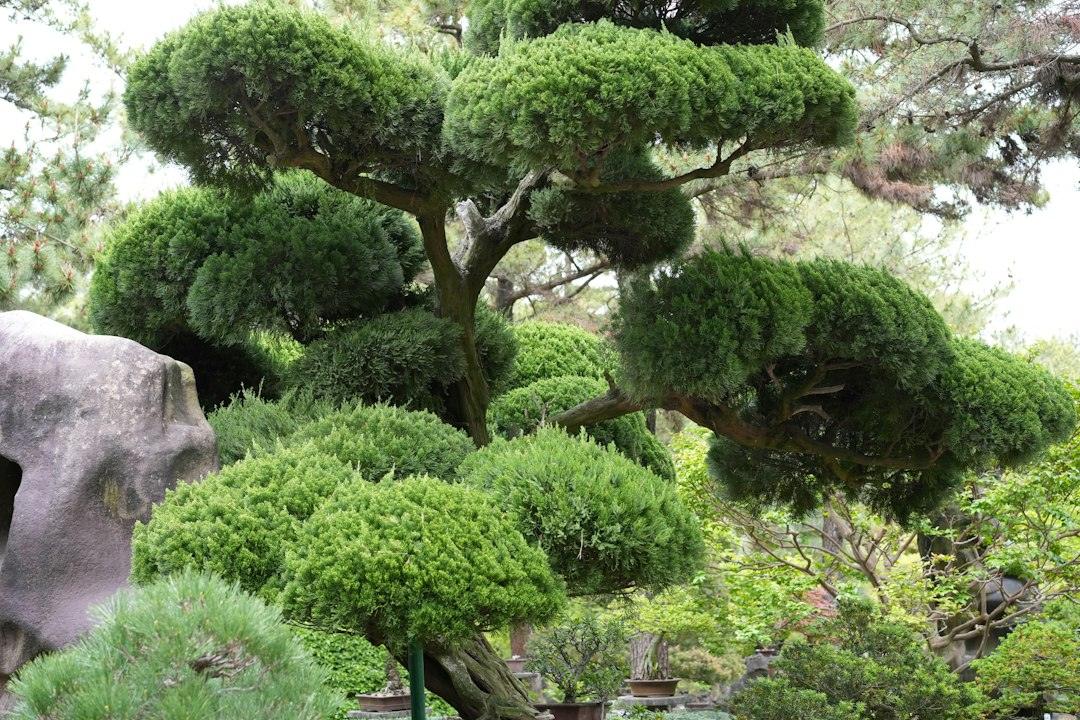
After the Railway Museum, you can continue exploring Omiya. Hikawa Shrine and Omiya Park are good choices for traditional scenery and outdoor walking, while Omiya Bonsai Village and the Omiya Bonsai Art Museum offer a completely different side of local culture.
If you have more time in Saitama, consider visiting Kawagoe, Chichibu, or Nagatoro. You can also browse our 10 Best Things to Do in Saitama for more ideas.
Final Thoughts
This Railway Museum Saitama Guide is a practical starting point for planning a fun and easy museum day from Tokyo. The museum is especially good for train fans and families, and it is easy to combine with other Omiya attractions. Check the official museum website shortly before your trip so you have the latest details on opening days, tickets, and special experiences.
Want to build a full Omiya day around the museum?
👇 Click the guide below for Hikawa Shrine, Omiya Park, Bonsai Village, food, and an easy day-trip plan.




Comments are closed.
[…] See our Omiya Travel Guide and Railway Museum Saitama Guide. […]
[…] Musashi Ichinomiya Hikawa Shrine and Omiya Park work well for a culture-and-nature day, while the Railway Museum is a strong choice for families and train […]
[…] Omiya is also famous among train fans because of the Railway Museum. The museum offers a broad look at Japan’s railway history and technology, making it especially popular with families and anyone interested in trains. Allow enough time if this is one of your main reasons for visiting Omiya. For tickets, access, and highlights, read our Railway Museum Saitama Guide. […]