
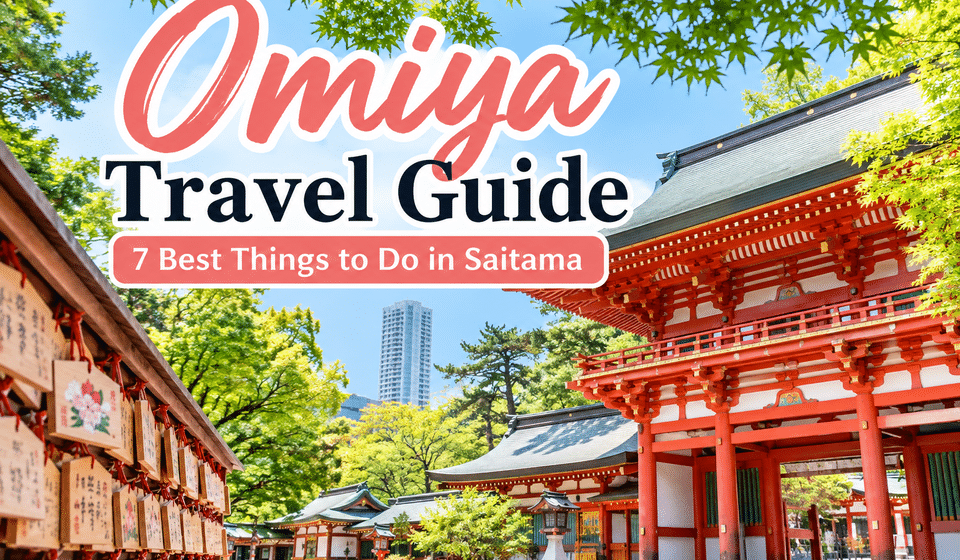
Omiya Travel Guide: 7 Best Things to Do in Saitama
If you are looking for an easy day trip from Tokyo, this Omiya Travel Guide will help you plan a relaxed visit to one of Saitama City’s most convenient areas. Omiya combines major transport connections with historic shrines, green parks, bonsai culture, museums, and plenty of food options around the station.
Table of Contents
Omiya Travel Guide: Why Visit?
Omiya is one of the most useful gateways in Saitama because many JR lines and Shinkansen services stop at Omiya Station. The area is easy to reach from central Tokyo and offers enough attractions for a full day without requiring a complicated itinerary.
What makes Omiya especially interesting is the mix of experiences. You can visit a major shrine in the morning, walk through a spacious park, explore bonsai culture in the afternoon, and finish with shopping or dinner around Omiya Station.
How to Get to Omiya from Tokyo
Omiya is well connected to Tokyo by JR lines, including services from major stations such as Tokyo, Ueno, Shinjuku, and Ikebukuro. Travel time varies by route, but the journey is generally straightforward and suitable for a day trip.
Once you arrive, several attractions can be reached by local train, bus, or on foot. If you plan to visit the bonsai area, Toro Station and Omiya-koen Station are useful access points.
7 Best Things to Do in Omiya
1. Visit Musashi Ichinomiya Hikawa Shrine
Hikawa Shrine is one of the best-known cultural landmarks in the area. The long approach, torii gates, trees, and spacious grounds make it a peaceful contrast to the busy streets around Omiya Station. It is a good place to begin your visit if you enjoy traditional Japanese architecture and shrine culture.
2. Walk Through Omiya Park
Located near Hikawa Shrine, Omiya Park is a convenient place for a break, a walk, or seasonal scenery. The park is especially pleasant when the weather is mild and can easily be combined with a shrine visit.
3. Explore Omiya Bonsai Village
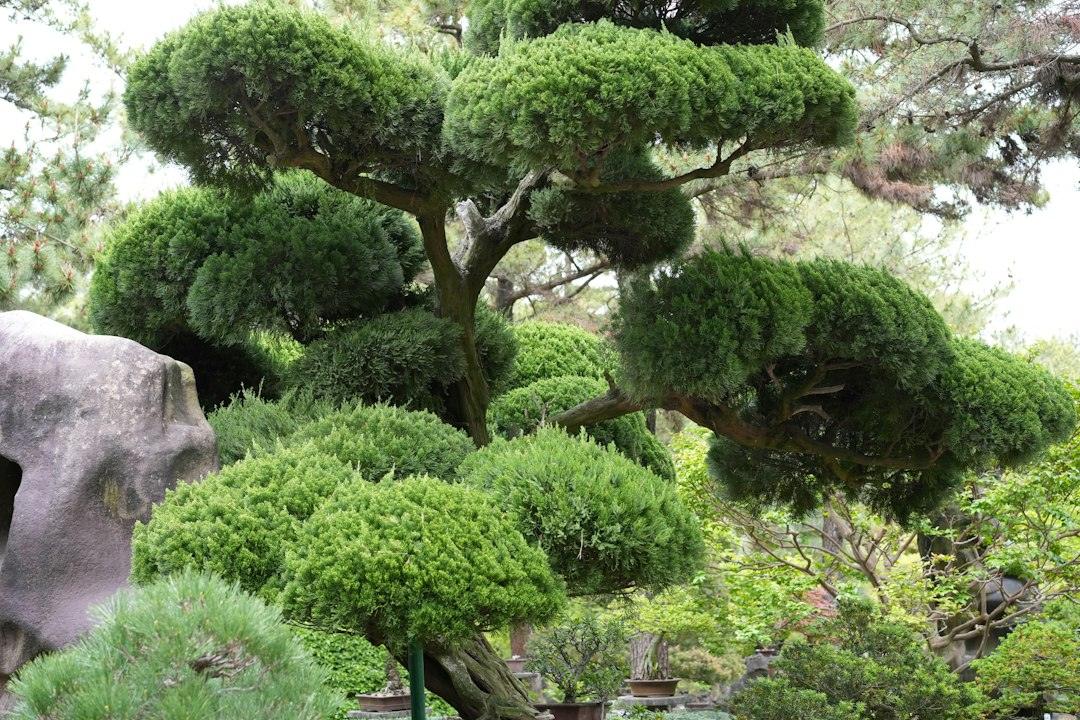
Omiya Bonsai Village was established in 1925 after bonsai growers moved from Tokyo following the Great Kanto Earthquake. Today it remains one of Japan’s best-known bonsai districts, with traditional gardens and quiet residential streets that attract bonsai enthusiasts from Japan and abroad. For a dedicated route, museum details, and practical tips, see our Omiya Bonsai Village Guide.
4. Visit the Omiya Bonsai Art Museum
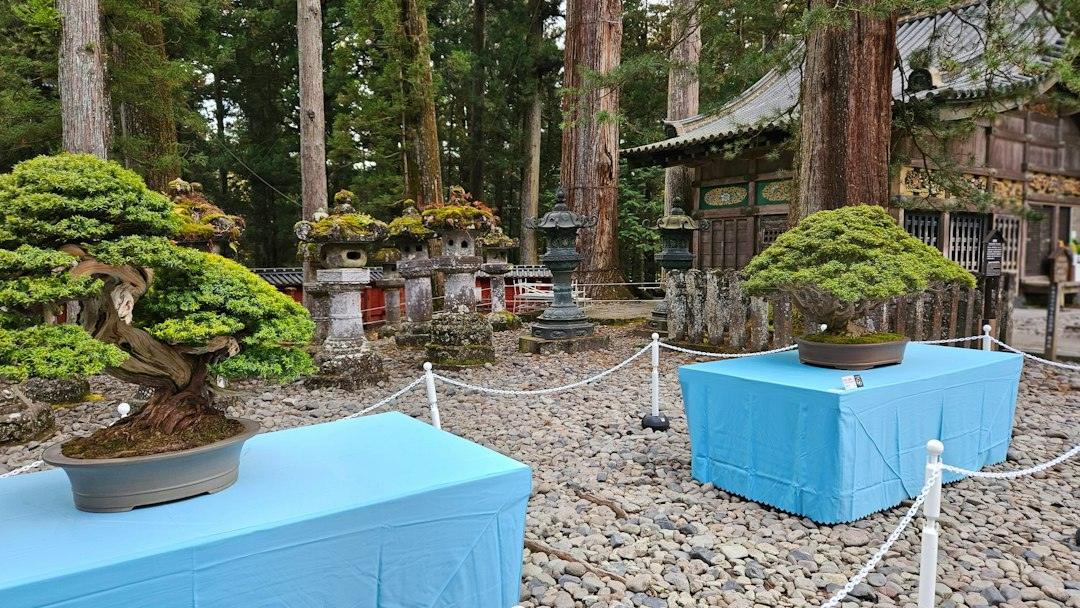
The Omiya Bonsai Art Museum is an excellent introduction to bonsai for first-time visitors. The museum explains how to appreciate bonsai and displays bonsai trees, pots, suiseki stones, paintings, and historical materials. Its garden lets visitors appreciate how bonsai changes through the seasons.
Check the official Omiya Bonsai Art Museum website before visiting for current hours, admission, and temporary closures. Open the museum in Google Maps →
5. Visit the Railway Museum
Omiya is also famous among train fans because of the Railway Museum. The museum offers a broad look at Japan’s railway history and technology, making it especially popular with families and anyone interested in trains. Allow enough time if this is one of your main reasons for visiting Omiya. For tickets, access, and highlights, read our Railway Museum Saitama Guide.

6. Explore the Area Around Omiya Station
Omiya Station is surrounded by department stores, shopping streets, restaurants, cafés, and entertainment. It is a convenient area for lunch, coffee, or shopping before heading back to Tokyo.
7. Combine Omiya with Another Saitama Destination
If you have more than one day, Omiya works well as part of a wider Saitama trip. You can continue to Kawagoe for historic streets, or travel farther into the prefecture for Chichibu, Nagatoro, or other mountain destinations.
Where to Eat in Omiya
The area around Omiya Station has one of the widest selections of food in Saitama City. You can find ramen, sushi, izakaya, cafés, bakeries, department-store restaurants, and casual chains. If you are following a tight schedule, eating near the station is usually the easiest option.
For a slower day, consider having lunch after visiting Hikawa Shrine or returning to the station area before your afternoon activity.
Suggested One-Day Omiya Itinerary
Start in the morning at Hikawa Shrine and Omiya Park. After that, travel toward Bonsai Village and visit the Omiya Bonsai Art Museum. Have lunch nearby or return toward Omiya Station. In the afternoon, choose either the Railway Museum or more time exploring the station area.
This Omiya Travel Guide is designed around a relaxed pace, so you do not need to fit every attraction into one day. Pick the places that match your interests and leave extra time for walking and transport.
Best Time to Visit Omiya
Spring and autumn are especially comfortable for walking between outdoor attractions, while summer is better suited to a schedule that includes museums and indoor breaks. Winter can be quieter and is still suitable for bonsai, museums, and shrine visits.
If seasonal scenery is important to you, check local conditions shortly before your trip because bloom and foliage timing can vary from year to year.
Practical Travel Tips
- Wear comfortable shoes because the day may involve plenty of walking.
- Check museum closing days before leaving Tokyo.
- Use an IC card for simple local train and bus travel.
- Allow extra time if the Railway Museum is a priority.
- Keep your itinerary flexible so you can enjoy Omiya Park and Bonsai Village without rushing.
Final Thoughts
Omiya is one of the easiest Saitama destinations to combine with a Tokyo stay. Hikawa Shrine, Omiya Park, bonsai culture, the Railway Museum, and the station area give you enough variety for a relaxed full-day trip without complicated travel.
Want to compare Omiya with other easy trips from Tokyo?
👇 Click the guide below for Kawagoe, Chichibu, Nagatoro, Omiya, and more Saitama day-trip ideas.



Comments are closed.
[…] you are already exploring Omiya, it is easy to include the museum in the same day. See our Omiya Travel Guide for more nearby […]
[…] our Omiya Travel Guide and Railway Museum Saitama […]
[…] you are coming from central Tokyo, travel first toward Omiya or Toro depending on your route. Our Omiya Travel Guide gives a broader overview of the area, while the Best Day Trips from Tokyo to Saitama guide can help […]
[…] answer: For a first visit, start with Kawagoe for historic streets and food, Omiya for museums and bonsai culture, and Chichibu or Nagatoro for mountains, rivers, and nature. Most of […]