10 Best Places to Visit in Hokkaido, Japan (2026 Travel Guide)
Hokkaido is Japan’s northernmost main island, and it feels different from the rest of the country. Wide open landscapes, volcanic lakes, flower fields, powder snow and some of Japan’s best seafood make it a favorite for travelers who want nature as well as cities.
Hokkaido is also very large, about one fifth of Japan’s land area. The best trips focus on one or two regions instead of trying to see everything at once.
In this guide, discover 10 of the best places to visit in Hokkaido, plus how to get there, how to get around, what to eat and when to go.
Best Places to Visit in Hokkaido
- Best for: Nature, seasonal scenery, food, hot springs and winter sports
- Time needed: At least 4–5 days for Sapporo and one nearby region, 7–10 days to add a second area
- Main gateway: New Chitose Airport, about 40 minutes from Sapporo by train
- Best seasons: July for flowers, December to March for snow, late September to October for autumn leaves
1. Sapporo
Best for: First-time visitors, food, shopping and winter events
Hokkaido’s capital is the natural starting point for most trips. The city is easy to navigate thanks to its grid layout and subway, and it has excellent restaurants, shopping streets and parks.
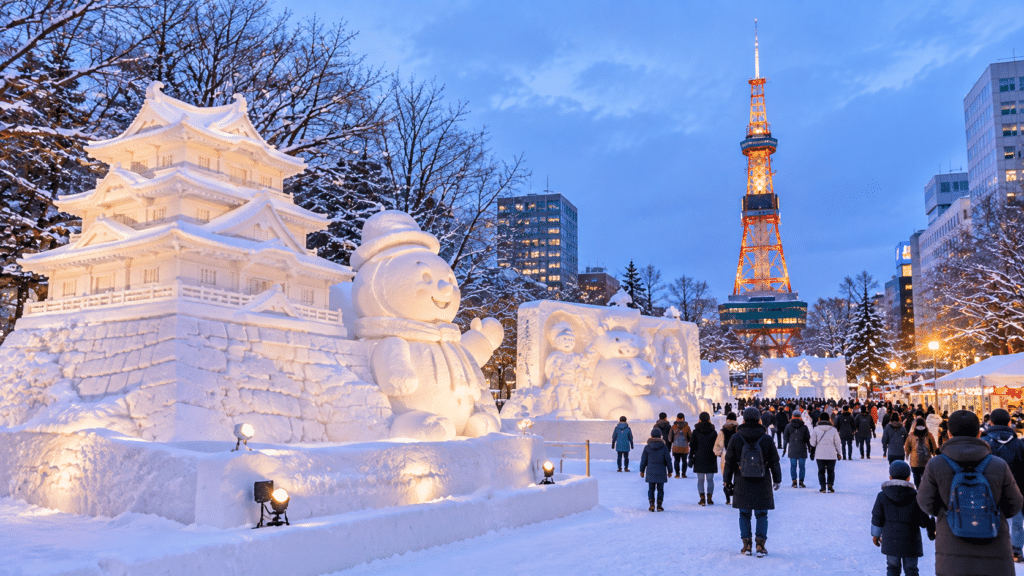
In winter, Sapporo hosts the famous Sapporo Snow Festival in Odori Park and Susukino. The 2027 festival is scheduled for February 4–11, 2027.
- Walk the length of Odori Park.
- See the historic Sapporo Clock Tower.
- Eat miso ramen in Susukino.
- Ride the Mt. Moiwa Ropeway for a night view of the city.
Suggested time: 1–2 days
2. Otaru
Best for: Historic streets, seafood and an easy day trip
Otaru is a port town known for its canal lined with old stone warehouses, its glass workshops and its music box shops. It is one of the easiest day trips from Sapporo by JR train.
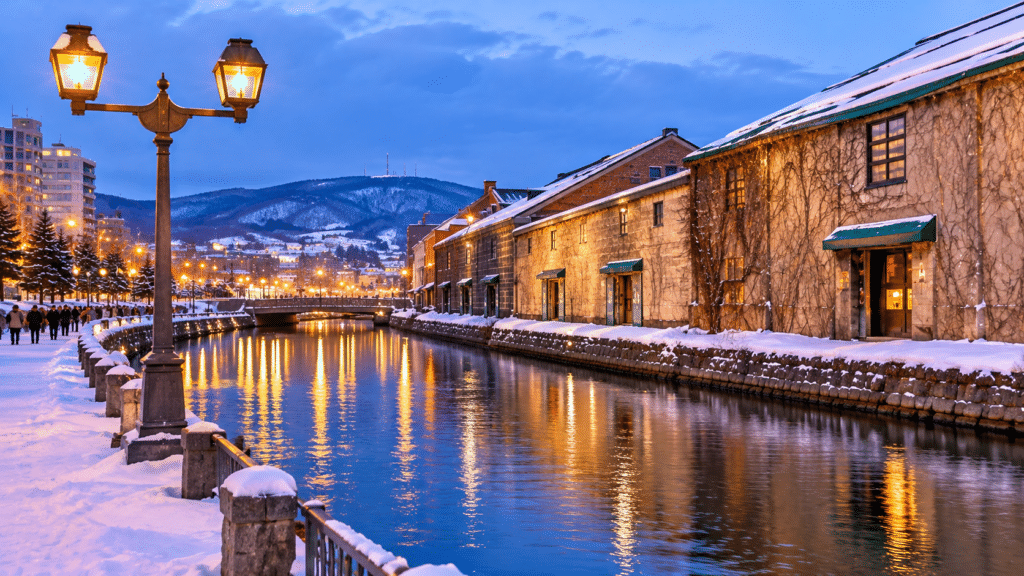
- Walk along Otaru Canal, especially at dusk when the lamps are lit.
- Browse glassware shops on Sakaimachi Street.
- Eat a seafood rice bowl or fresh sushi.
Suggested time: Half a day to one day
3. Furano
Best for: Summer flower fields and countryside scenery
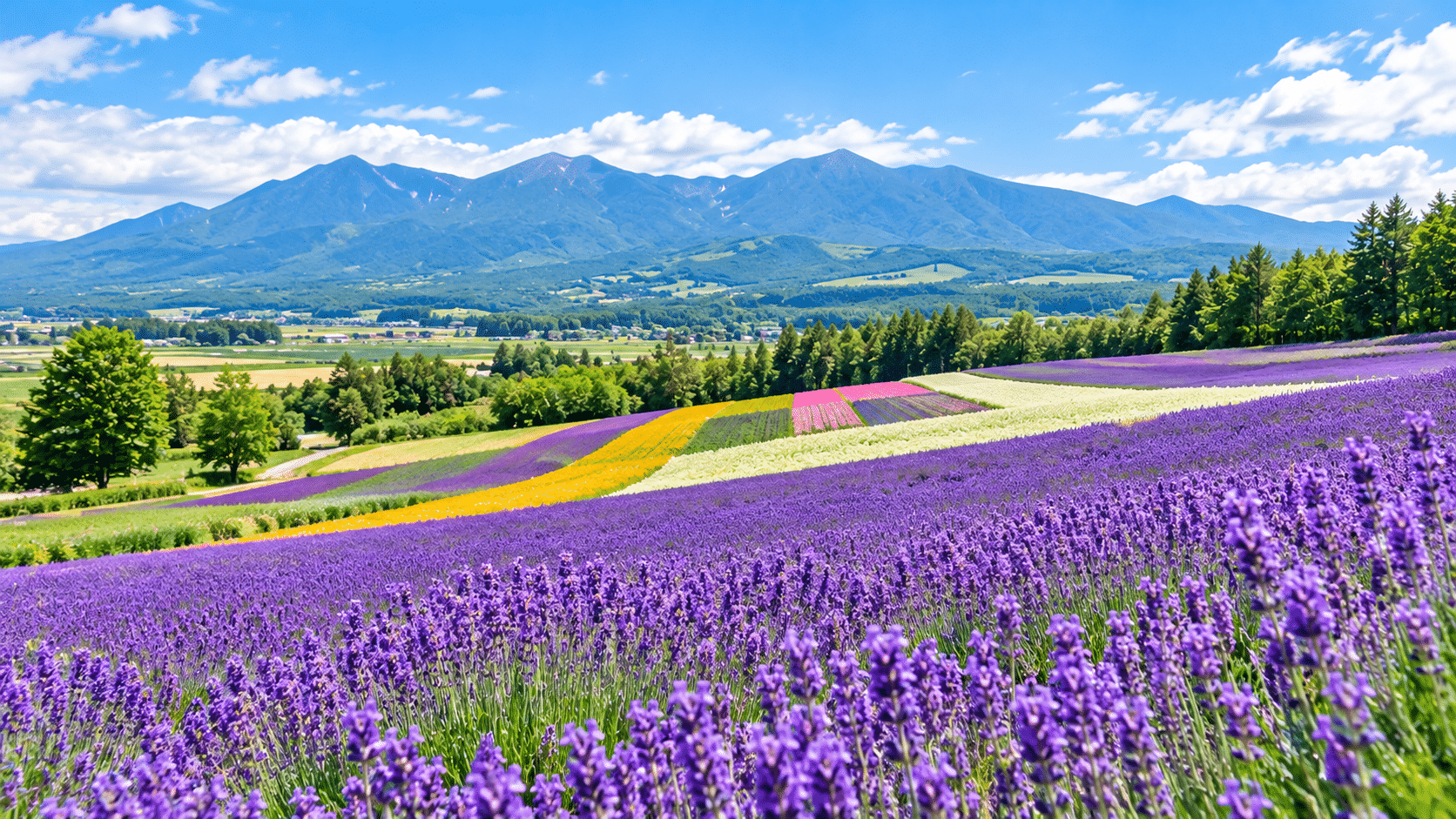
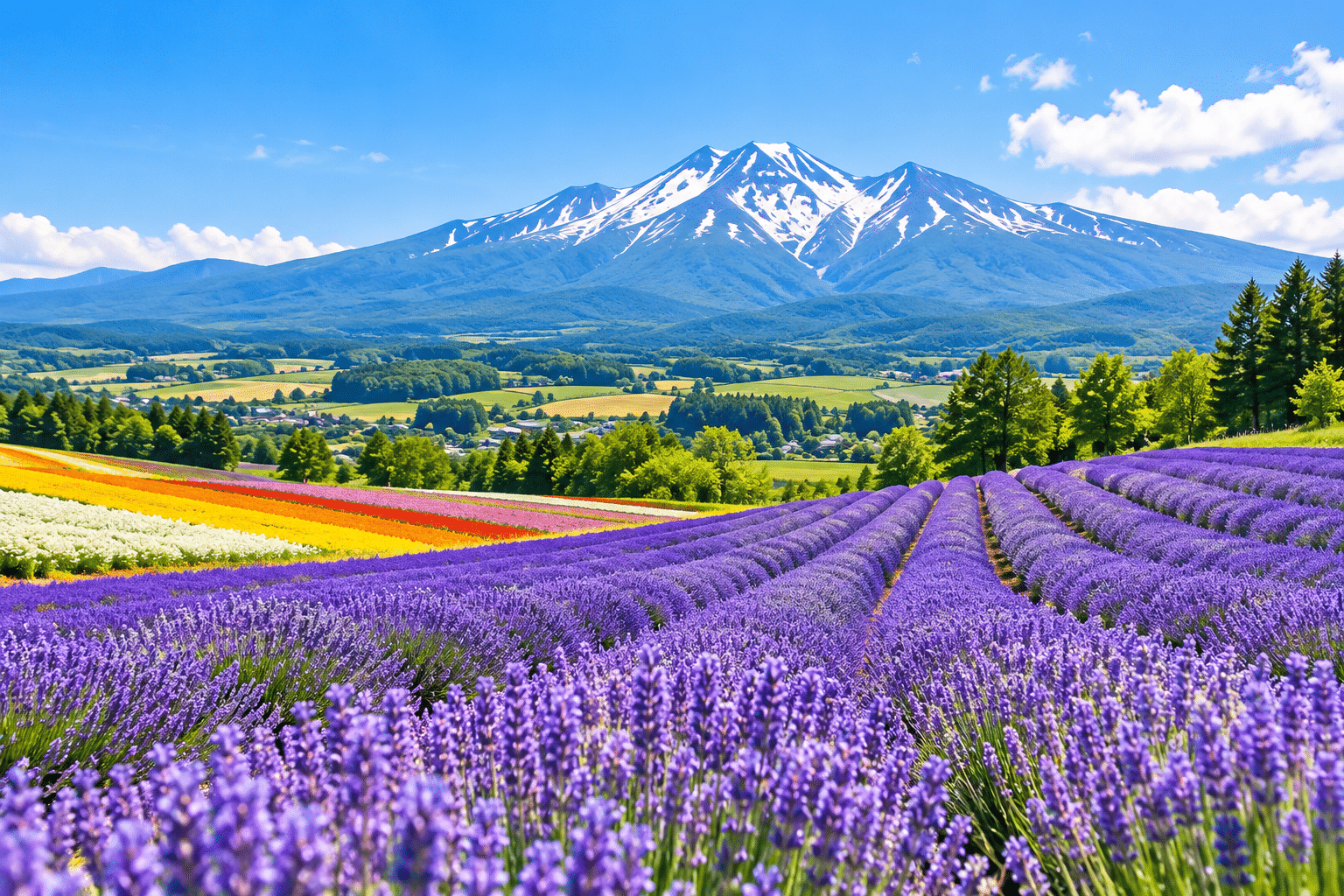
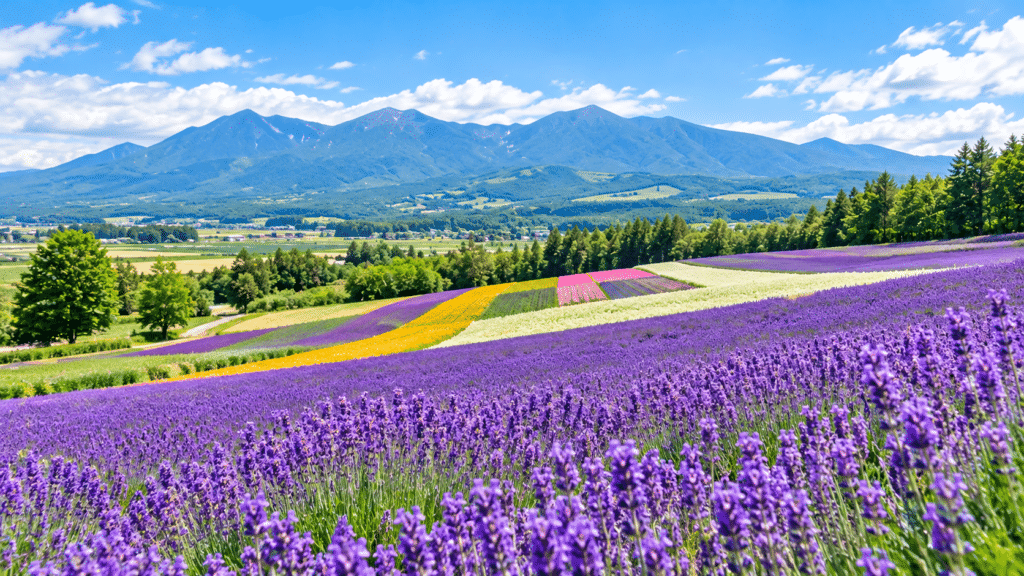
Furano is famous for its lavender fields, which usually peak from early to late July. Colorful flower stripes roll across the hills, with mountains in the background.
In winter, Furano becomes a popular ski area with high-quality snow.
- Walk the length of Odori Park.
- See the historic Sapporo Clock Tower.
- Eat miso ramen in Susukino.
- Ride the Mt. Moiwa Ropeway for a night view of the city.
Suggested time: 1–2 days ideally combined with Biei.
4. Biei
Best for: Photography and peaceful rural landscapes
Next to Furano, Biei is known for its gently rolling hills and patchwork farm fields. Its most famous sight is the Shirogane Blue Pond, whose water changes color with the light and seasons.
Suggested time: Half a day to 1 day
5. Asahikawa
Best for: Families, ramen and a base for central Hokkaido
Asahikawa is Hokkaido’s second-largest city and a convenient base for Furano and Biei. It is home to Asahiyama Zoo, known for its creative animal enclosures and its winter penguin walk, and to its own soy-sauce style ramen.
Suggested time: Half a day to 1 day
6. Hakodate
Best for: Night views, history and seafood breakfasts
Hakodate sits at Hokkaido’s southern tip. The night view from Mt. Hakodate is one of the most famous in Japan, and the morning market is the place for fresh squid, crab and sea urchin.
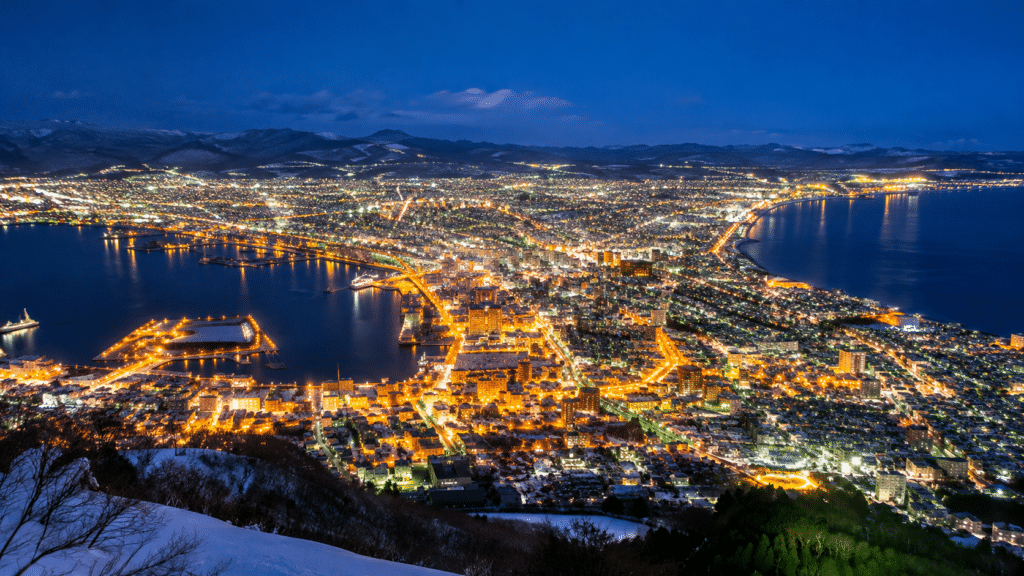
- See the night view from Mt. Hakodate.
- Eat a seafood bowl at Hakodate Morning Market.
- Visit the star-shaped Goryokaku Fort and its tower.
- Walk the sloping streets of the Motomachi district.
Suggested time: 1–2 days
7. Noboribetsu
Best for: Hot springs and volcanic scenery
Noboribetsu is one of Hokkaido’s best-known hot spring towns. Its Jigokudani, or Hell Valley, is a steaming volcanic valley with boardwalk trails, and many ryokan offer baths fed by several types of spring water.
Suggested time: 1 night is ideal
8. Lake Toya
Best for: Lake views, onsen and fireworks
Lake Toya is a large caldera lake surrounded by mountains, including the active volcano Mt. Usu. Lakeside hot spring hotels make it a relaxing stop, and fireworks are held over the lake on many nights from spring to autumn.
Suggested time:1 night, often combined with Noboribetsu.
9. Niseko
Best for: Skiing, snowboarding and outdoor adventures
Niseko is world-famous for its light powder snow, which attracts skiers from around the globe between December and March. In summer, the area offers rafting, hiking and cycling with views of Mt. Yotei.
Suggested time: 3 days or more for a ski trip.
10. Shiretoko
Best for: Wildlife and untouched nature
Shiretoko Peninsula in eastern Hokkaido is a UNESCO World Natural Heritage site. Brown bears, deer and sea eagles live in this remote landscape of forests, waterfalls and coastal cliffs. In late winter, drift ice can reach the nearby coast.
Suggested time: 2 days or more, as it is far from Sapporo.
How to Get to Hokkaido
- By plane: Flights from Tokyo Haneda or Narita to New Chitose Airport take about 1.5 hours. This is the fastest and often the cheapest option.
- From the airport: The JR Rapid Airport train reaches Sapporo Station in about 40 minutes for roughly 1,200 yen.
- By train: The Hokkaido Shinkansen runs from Tokyo to Shin-Hakodate-Hokuto in about 4 hours. It is a good choice if you start your trip in Hakodate.
Getting Around Hokkaido
JR Hokkaido trains connect Sapporo with Otaru, Asahikawa, Noboribetsu and Hakodate. Rural areas such as Biei, Furano’s farms and Shiretoko are much easier with a rental car or a guided tour, because buses can be infrequent.
If you drive in winter, choose a car with snow tires and allow extra time. Roads can be icy, and visibility drops quickly in snowstorms.
What to Eat in Hokkaido
- Seafood bowls (kaisendon): Crab, salmon roe, sea urchin and scallops over rice.
- Ramen: Miso ramen in Sapporo, soy-sauce ramen in Asahikawa and salt ramen in Hakodate.
- Soup curry: A spicy, broth-style curry full of vegetables, born in Sapporo.
- Jingisukan: Grilled lamb cooked on a dome-shaped pan.
- Dairy: Soft-serve ice cream, cheese and milk from Hokkaido farms.
Best Time to Visit Hokkaido
- Winter (December–March): Snow, skiing, the Sapporo Snow Festival and drift ice. Expect cold weather and occasional transport delays.
- Spring (late April–May): Cherry blossoms arrive later than in Tokyo, usually from late April into May.
- Summer (June–August): Cooler than the rest of Japan, with flower fields at their best in July.
- Autumn (late September–October): Japan’s earliest autumn leaves, especially in the mountains.
Frequently Asked Questions
How many days do I need in Hokkaido?
Plan at least 4–5 days for Sapporo, Otaru and one nearby area. With 7–10 days, you can add Furano and Biei or Hakodate.
Do I need a car in Hokkaido?
Not for Sapporo, Otaru, Hakodate or Noboribetsu, which are easy by train and bus. A car helps a lot for Biei, Furano and eastern Hokkaido.
Is Hokkaido worth visiting in summer?
Yes. Summer is mild and less humid than most of Japan, and it is the season for lavender, hiking and lake views.
For more planning help, read our Japan travel tips, learn how to use Suica in Japan, or browse all destinations.
Not sure where to go? Let fate decide! Try our Japan Travel Destiny roulette and discover new destinations across all 47 prefectures.
Play Now →