10 Best Things to Do in Osaka, Japan (2026–2027)
Osaka is one of Japan’s easiest cities to enjoy on a first visit: come for the neon-lit streets and famous food, then stay for its castle, historic temples, skyline views, and family-friendly attractions. The trick is to group sights by area instead of crossing the city all day.
For a first trip, prioritize Dotonbori at night, Osaka Castle, Kuromon Ichiba Market, and either Umeda Sky Building or Shinsekai. Add Universal Studios Japan or Osaka Aquarium Kaiyukan if you have an extra day. Two full days cover the highlights; three days feels much more relaxed.
Best for: first-time visitors, food lovers, families, and travelers who want a lively city base for exploring Kansai.
Suggested time: 2–3 days. Attraction opening hours, ticket prices, and access can change, so check each official website before visiting.
1. Explore Dotonbori after dark
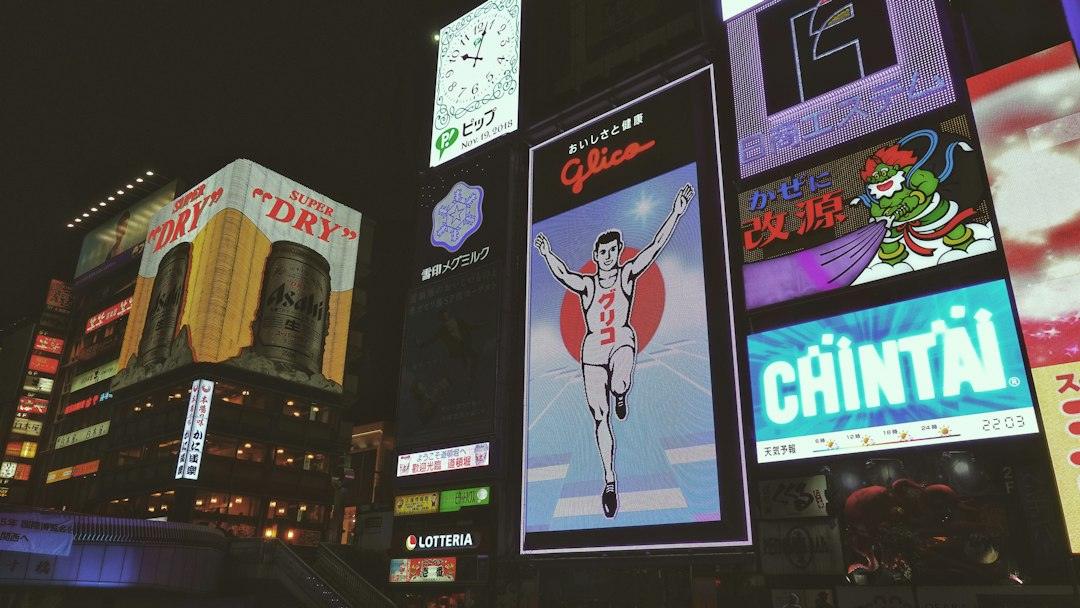
Dotonbori is the classic Osaka night scene: bright signs, the canal, busy shopping streets, and restaurants serving local favorites. Walk across Ebisubashi Bridge for the familiar canal view, then explore the side streets around Namba rather than staying only on the busiest strip.
Try takoyaki (octopus balls), okonomiyaki (savory pancake), or kushikatsu (deep-fried skewers). Popular places can have queues, so choose a quieter time or be flexible about where you eat.
Nearest area: Namba Station
Tip: Visit before sunset for photos, then stay as the signs light up. Keep moving on crowded pavements and avoid stopping in the middle of narrow walkways.
2. Visit Osaka Castle and its park
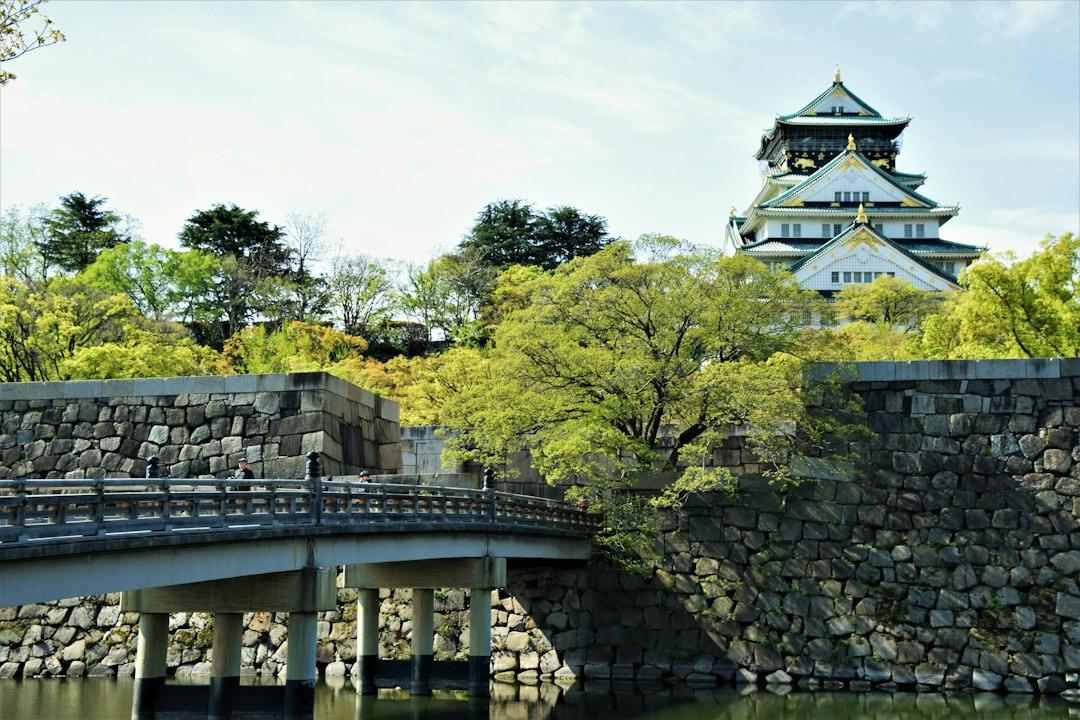
Osaka Castle is one of the city’s best-known landmarks. The current main tower is a reconstruction, and the museum inside introduces the history of the castle and the people who shaped Osaka. Even if you skip the museum, the moats, stone walls, and park paths are worth seeing.
Give yourself time to walk around the grounds; the park is much larger than the tower area looks on a map. Spring is popular for blossoms, while other seasons offer a quieter walk and changing scenery.
Allow: 2–3 hours. Access: Morinomiya or Osakajokoen Station are useful starting points, depending on your route.
Check Osaka Castle’s official visitor information for current admission and opening details.
3. Spend a full day at Universal Studios Japan
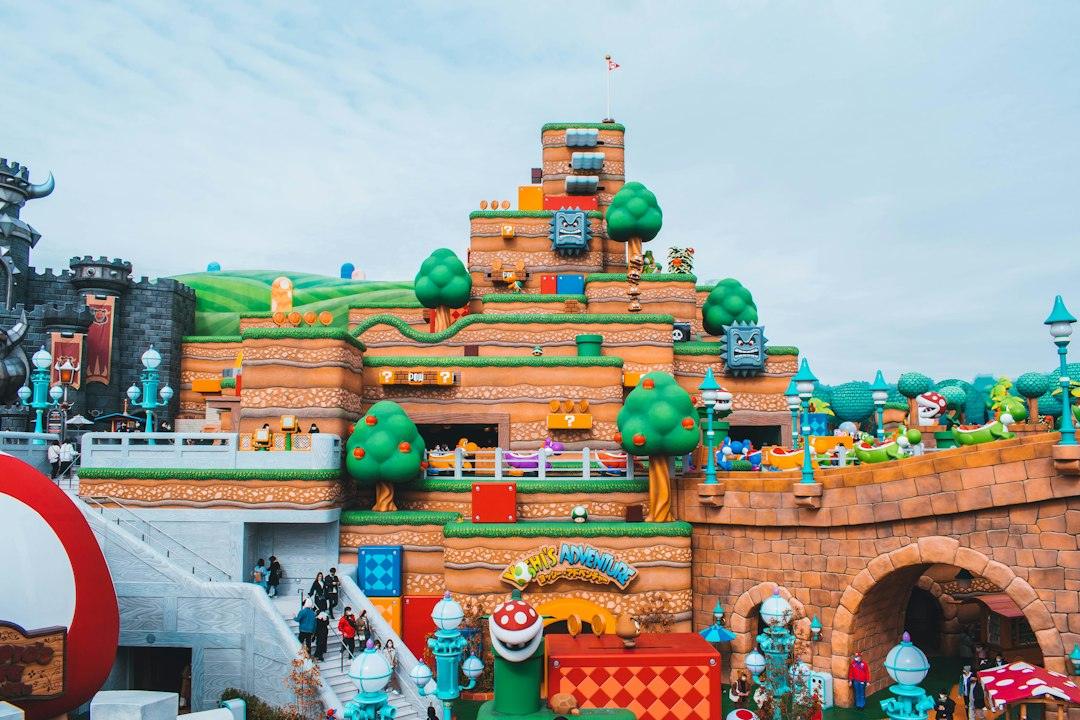
Universal Studios Japan (USJ) is a strong choice for families, movie fans, and anyone who enjoys rides and immersive themed worlds. Super Nintendo World and The Wizarding World of Harry Potter are major draws, but the best plan depends on ride preferences, height requirements, and crowd levels.
Make USJ your main activity for the day instead of trying to squeeze several city sights around it. Check the park calendar and ticket options before your trip; admission, timed-entry rules, and Express Pass availability can vary by date.
Allow: most or all of a day. Check the official USJ website for tickets, operating hours, and attraction restrictions.
4. Taste your way through Kuromon Ichiba Market
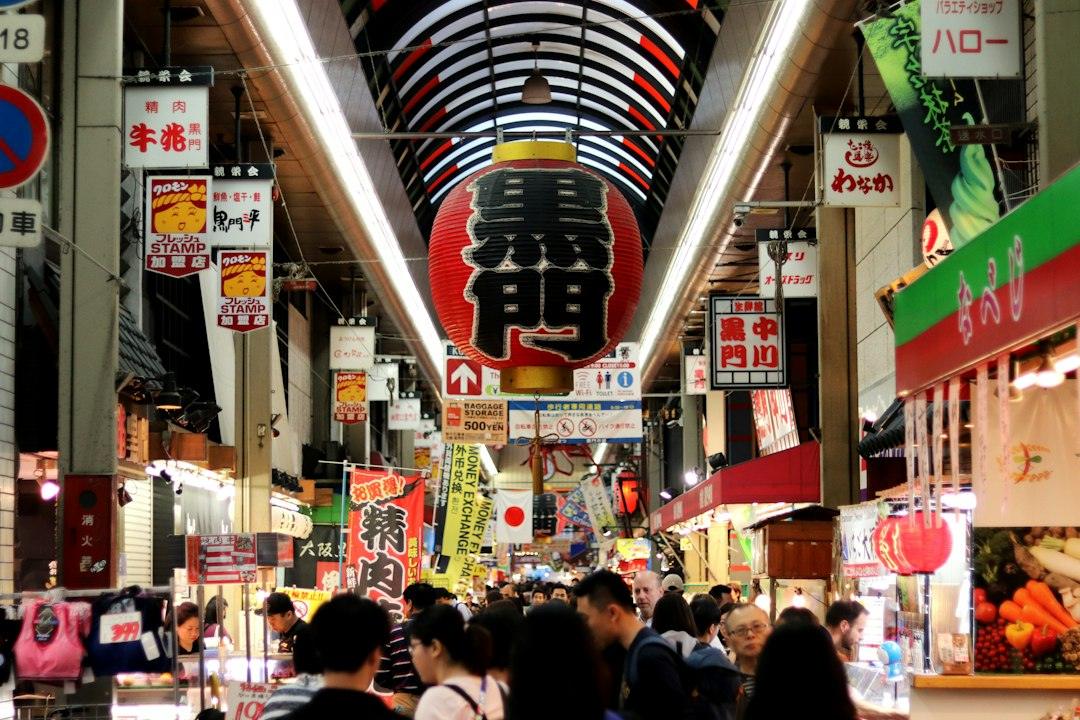
Kuromon Ichiba is a covered market near Namba known for seafood, produce, snacks, and ready-to-eat bites. It is a convenient stop for curious eaters who want to sample several things rather than commit to one long meal.
Look at the price and portion before ordering, especially for seafood sold by weight or prepared on the spot. Some stalls focus on everyday groceries while others are geared toward visitors, and individual shops may close at different times.
Allow: 45–90 minutes. Visit earlier in the day for the broadest choice, and bring cash as a backup even when some shops accept cards or electronic payments.
5. See retro Osaka in Shinsekai and Tsutenkaku
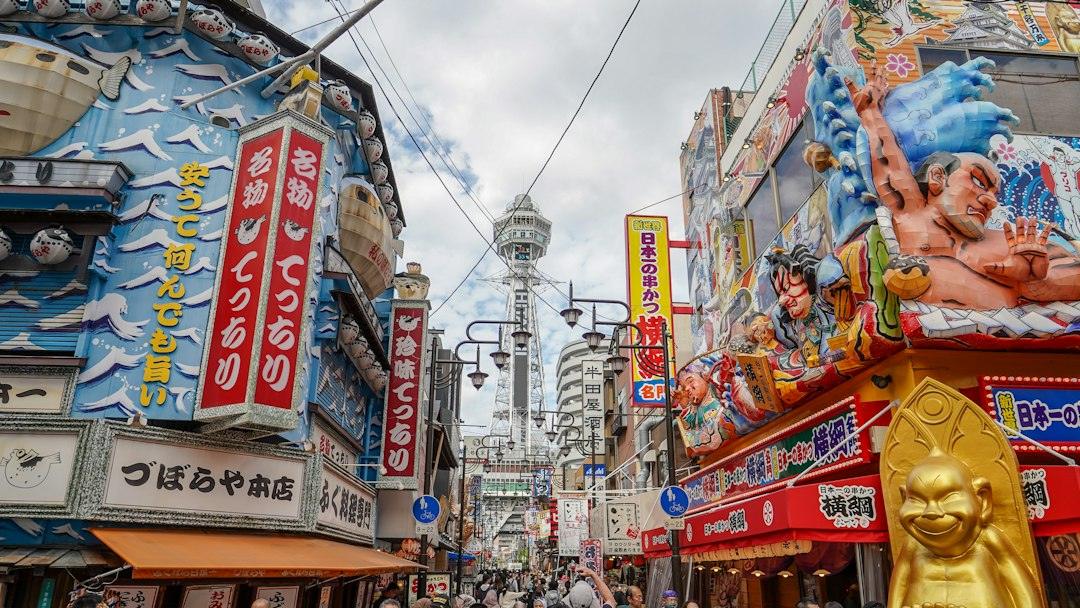
Shinsekai has a nostalgic atmosphere, colorful signs, casual restaurants, and arcades. Tsutenkaku Tower rises above the neighborhood, while the surrounding streets are known for kushikatsu. It feels very different from the modern shopping districts around Umeda.
Come hungry, explore the side streets, and check tower ticket options if you want to go up. Restaurant menus and opening hours vary, so do not assume every shop is open all day.
Allow: 1–2 hours. Access: Shin-Imamiya, Dobutsuen-mae, or Ebisucho stations can work depending on where you start.
6. Enjoy the skyline from Umeda Sky Building
For a panoramic view, head to the Floating Garden Observatory at Umeda Sky Building. The twin towers and connecting upper-level observatory make it a memorable stop for architecture fans and travelers who want a different perspective on the city.
Try to time your visit for late afternoon and stay through sunset if the weather is clear. Visibility can be limited on hazy or rainy days, so keep your plans flexible.
Allow: 60–90 minutes. It is in the Umeda area, making it easy to combine with shopping or dinner around Osaka Station.
Check the Umeda Sky Building official website for current access and observatory information.
7. Visit Shitennoji Temple
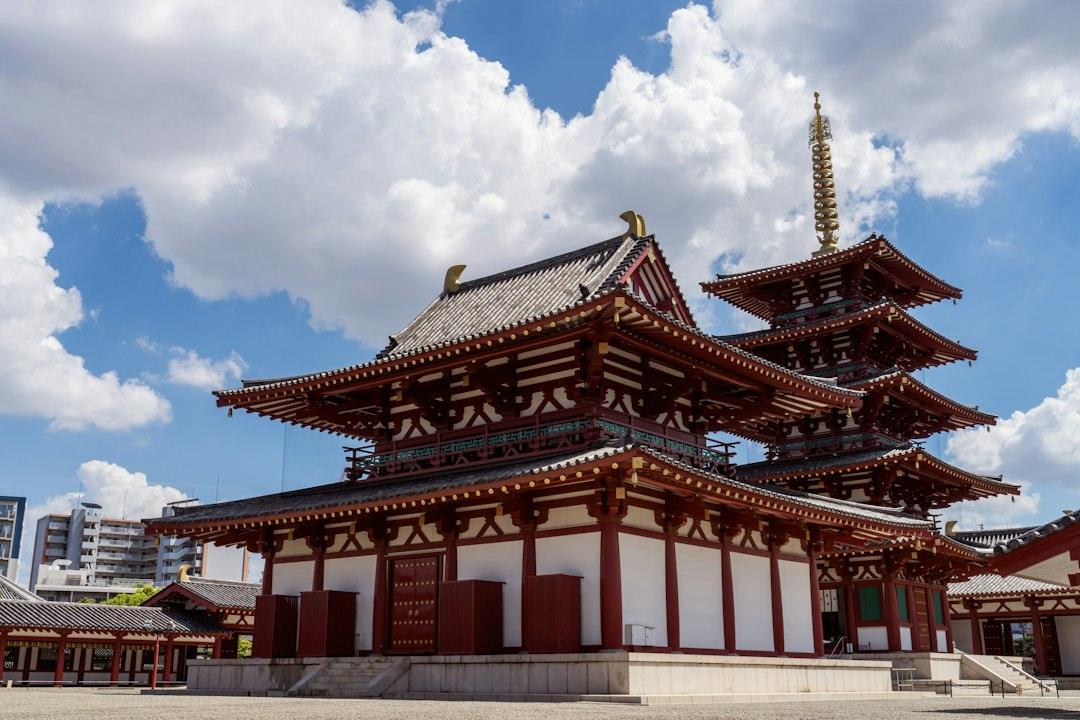
Shitennoji is an important historic Buddhist temple traditionally associated with Prince Shotoku. Its grounds provide a calmer experience than the city’s neon districts, with temple buildings and spaces to pause and look around.
Be respectful around worshippers, follow posted photography rules, and check which areas require a ticket. If you are interested in history and traditional architecture, this is a worthwhile addition to a first-time itinerary.
Allow: about 1 hour, longer if you visit paid areas or gardens. Check current visiting information before you go.
8. See the traditional architecture at Sumiyoshi Taisha
Sumiyoshi Taisha is one of Osaka’s best-known Shinto shrines and a good choice if you want to see a more traditional side of the city. Its distinctive shrine architecture and arched Sorihashi Bridge make it a rewarding stop for a slower walk and photographs.
This visit works especially well for travelers who have already seen central Namba and want to explore beyond the main shopping streets. Remember that a shrine is an active place of worship: keep voices low and follow local signs and etiquette.
Allow: 45–75 minutes, plus travel time. Check train routes before leaving, as the shrine is south of the main downtown area.
9. Explore Osaka Aquarium Kaiyukan
Kaiyukan is a major aquarium in the Osaka Bay area, with marine habitats arranged around a large central tank. It is a popular choice for families, rainy days, and visitors who want a break from shopping and outdoor sightseeing.
Allow enough time to follow the visitor route without rushing, and consider pairing the aquarium with other attractions around Tempozan. Weekends and school holidays can be busy, so check timed-entry or ticket information in advance.
Allow: 2–3 hours. Check Kaiyukan’s official website for tickets, opening hours, and access.
10. Experience teamLab Botanical Garden Osaka at night
For a different kind of evening, teamLab Botanical Garden Osaka combines digital art with the plants, trees, and outdoor setting of Nagai Botanical Garden. The experience depends on darkness and the installation in operation, so it is best planned as a dedicated nighttime visit rather than a quick daytime stop.
Wear comfortable shoes, check the weather, and confirm the latest entry rules before travelling. Outdoor installations may be affected by weather or operational changes.
Allow: around 1–2 hours. Check the official teamLab ticket page for current dates and admission details before making a special trip.
A simple Osaka itinerary for first-time visitors
Group nearby places together. Osaka is easy to navigate, but crossing between the bay area, the castle, and southern Osaka still takes time.
If you have 1 day
- Morning: Osaka Castle and the surrounding park.
- Afternoon: Kuromon Ichiba Market and a walk around Namba.
- Evening: Dotonbori for street food and illuminated signs.
If you have 2 days
- Day 1: Osaka Castle, Kuromon Market, and Dotonbori.
- Day 2: Choose USJ for a full theme-park day, or combine Shitennoji, Shinsekai, and Umeda if you prefer city sightseeing.
If you have 3 days
- Day 1: Osaka Castle, Dotonbori, and Namba.
- Day 2: USJ, or Kaiyukan and the Osaka Bay area.
- Day 3: Shinsekai, Shitennoji or Sumiyoshi Taisha, then Umeda Sky Building at sunset.
Getting around Osaka
- Use the subway and JR lines for most city sightseeing; choose the station closest to your next stop rather than assuming every attraction is beside a major hub.
- IC cards such as Suica, PASMO, or ICOCA are convenient for many trains and buses in the Kansai area. Check route and service compatibility, and keep a little cash for smaller purchases.
- Before buying a sightseeing pass, compare its included attractions with your actual itinerary. A pass is not automatically cheaper if you plan to visit mostly free sights.
- For travel from Kansai International Airport, compare the JR and Nankai routes based on whether you are staying near Osaka/Umeda or Namba.
For official visitor information, use the Osaka Official Tourism Guide. For travel to Osaka from other parts of Japan, the Japan National Tourism Organization’s Osaka guide is also useful.
Where to stay in Osaka
Namba / Dotonbori: convenient for food, nightlife, shopping, and trips toward southern Osaka.
Umeda / Osaka Station: a practical base for rail connections, shopping, and day trips around Kansai.
Shin-Osaka: useful if you expect to travel frequently by Shinkansen, although it is less atmospheric for evening sightseeing.
Compare location, cancellation terms, and the total price before booking. Compare Osaka hotels on Agoda.
Important things to know before you go
Opening hours, admission fees, timed-entry systems, and seasonal events can change. Confirm details on each attraction’s official website before travelling, especially for Universal Studios Japan and nighttime events.
- Wear comfortable shoes: several of these sights involve long walks or standing in queues.
- Leave room in your schedule for food stops and train transfers.
- Carry a payment card and some cash; payment methods differ by business.
- Respect local etiquette at temples and shrines, and follow posted rules for photography.
Tips on traveling in Osaka
You do not need to see all ten places in one trip. Pick the attractions that match your interests, build each day around one area, and leave time to enjoy Osaka’s food and lively streets. For most first-time visitors, Dotonbori, Osaka Castle, and one additional major attraction make a strong start.
Continue Planning Your Japan Trip
Keep exploring TrendyLife with these practical Japan travel guides.