
Kitain Temple Kawagoe: Complete Visitor Guide
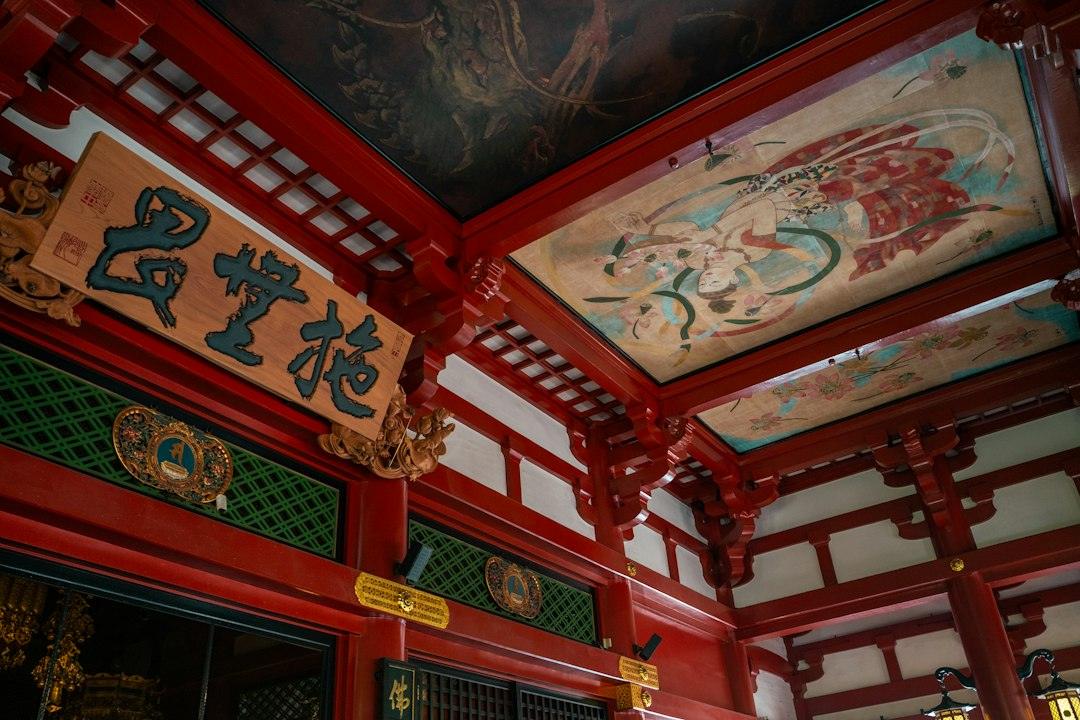
Kitain Temple is one of Kawagoe’s most important historic sights and an easy addition to a Little Edo day trip from Tokyo. Founded in 830, the Tendai Buddhist temple is known for its connections to the Tokugawa shogunate, buildings moved from Edo Castle, peaceful gardens and the remarkable Gohyaku Rakan stone statues.
If you are planning a visit to Kawagoe, this guide covers what to see at Kitain, current admission and opening hours, how to get there and how to combine the temple with the rest of Kawagoe.
Table of Contents
Kitain Temple at a Glance
- Japanese name: 喜多院 (Kitain)
- Address: 1-20-1 Kosenba-machi, Kawagoe, Saitama 350-0036
- Admission: ¥400 adults; ¥200 junior-high-school-age children
- Nearest station: Hon-Kawagoe Station, about 15 minutes on foot
- Best for: history, temples, gardens, architecture and photography
Hours and admission can change for temple events and special exhibitions, so check the official Kitain website before traveling.
Why Visit Kitain Temple?
Kawagoe is famous for its warehouse-lined streets and nostalgic Little Edo atmosphere, but Kitain reveals another side of the city. The temple has deep links to the early Edo period and contains important cultural properties associated with Tokugawa Iemitsu, the third Tokugawa shogun, and Lady Kasuga.
It is also a good place to slow down before or after exploring the busier Kurazukuri district. Allow roughly 45–60 minutes if you want to see the main temple area and the Rakan statues without rushing.
A Short History of Kitain
Kitain is a Tendai Buddhist temple founded in 830 by the monk Jikaku Daishi Ennin. It later became closely associated with the influential priest Tenkai, who served during the early Tokugawa era.
After a major fire in 1638, Tokugawa Iemitsu ordered buildings from Edo Castle to be transferred to Kitain. This connection makes the temple particularly interesting for travelers who want to understand how Kawagoe’s history connects with Edo, present-day Tokyo.
What to See at Kitain Temple
1. Edo Castle Buildings
Among Kitain’s most significant features are rooms and buildings transferred from Edo Castle. They are associated with Tokugawa Iemitsu and Lady Kasuga and offer a rare tangible connection to the shogunate.
2. Gohyaku Rakan Statues
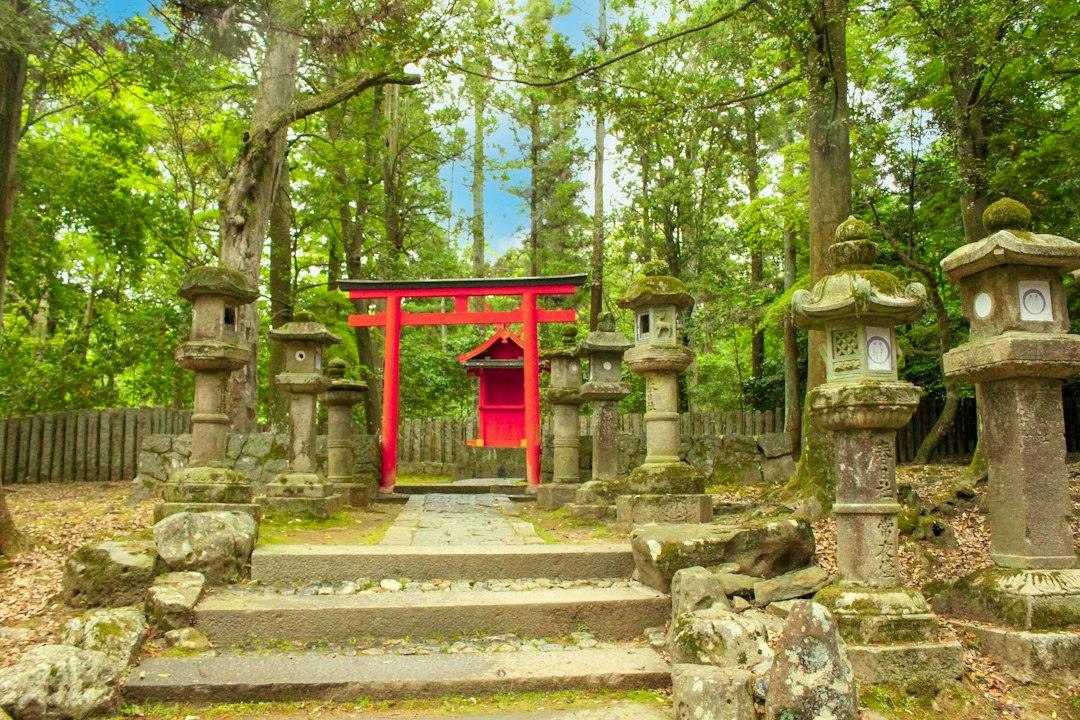
One of the most memorable areas is the collection of more than 500 stone Rakan statues, representing disciples of Buddha. Their expressions and poses vary, so walking among them feels very different from viewing a uniform row of religious statues.
3. Temple Gardens
Kitain has gardens that change character through the seasons. Cherry blossoms, plum, azaleas, hydrangeas and autumn foliage can all add color at different times of year.
4. Main Temple Grounds
Even if you do not enter every paid area, take time to appreciate the temple atmosphere and architecture. Kitain remains an active religious site, so visitors should keep voices low and follow posted rules.
Kitain Temple Opening Hours
According to Kitain’s official visitor information, the museum area generally operates on the following schedule:
- March 1–November 23: 9:00–16:30 on weekdays; 9:00–16:50 on Sundays and public holidays
- November 24–February 28: 9:00–16:00 on weekdays; 9:00–16:20 on Sundays and public holidays
Kitain lists closures from December 25 to January 8, February 2–3 and April 2–4 for the museum area, and additional closures can occur for temple events. New Year worship follows a special schedule, so always check current notices if visiting around a major event or holiday.
Kitain Temple Admission Fee
Standard admission is ¥400 for adults and ¥200 for junior-high-school-age children. Special exhibitions can have different prices. The temple grounds and paid viewing areas are not necessarily the same, so follow the signs when you arrive.
How to Get to Kitain Temple
Kitain is walkable from Kawagoe’s three main railway stations:
- Hon-Kawagoe Station: about 15 minutes on foot
- Kawagoeshi Station: about 18 minutes on foot
- Kawagoe Station: about 20 minutes on foot
If you are coming from Tokyo, see our Kawagoe Day Trip from Tokyo guide for the full journey and a suggested sightseeing plan.
Best Time to Visit
Spring is especially attractive when flowers and cherry blossoms brighten the grounds, while autumn brings colorful foliage. Weekday mornings are a good choice if you prefer a quieter visit. New Year is an important time at Kitain but can be extremely busy.
For a broader look at the city’s seasonal attractions and neighborhoods, read our Kawagoe Travel Guide.
What to Do After Kitain
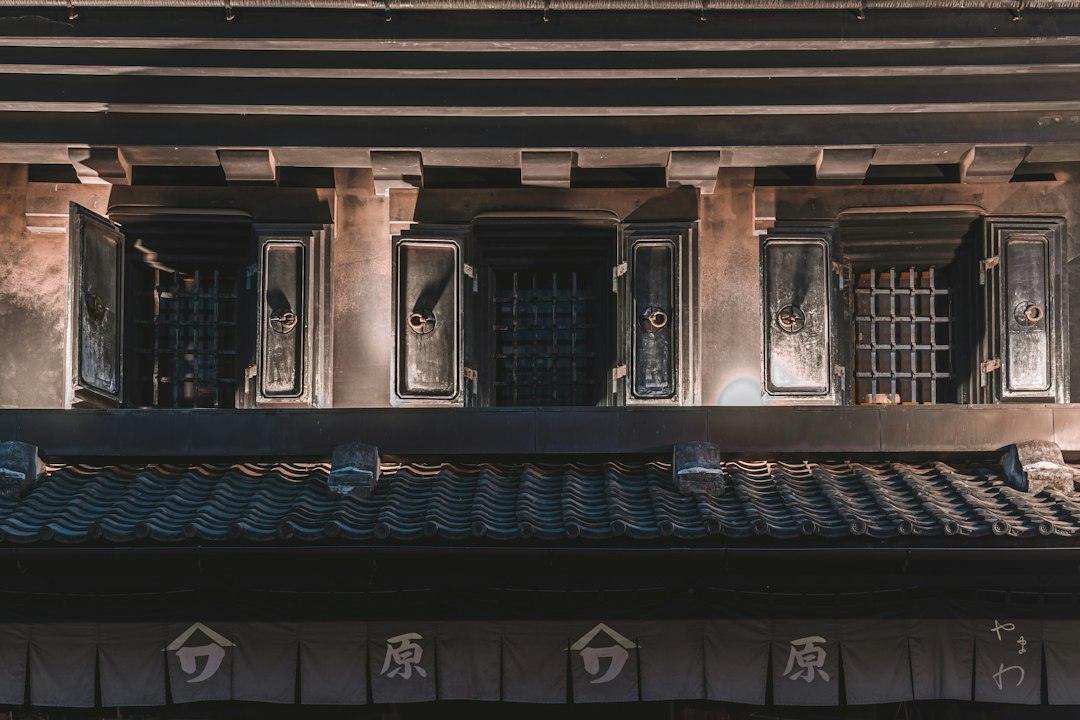
Kitain fits naturally into a full day in Kawagoe. After the temple, continue toward the historic center for the Kurazukuri warehouse district, Toki no Kane bell tower and Kashiya Yokocho (Candy Alley). Kawagoe Hikawa Shrine is another popular stop if you have enough time.
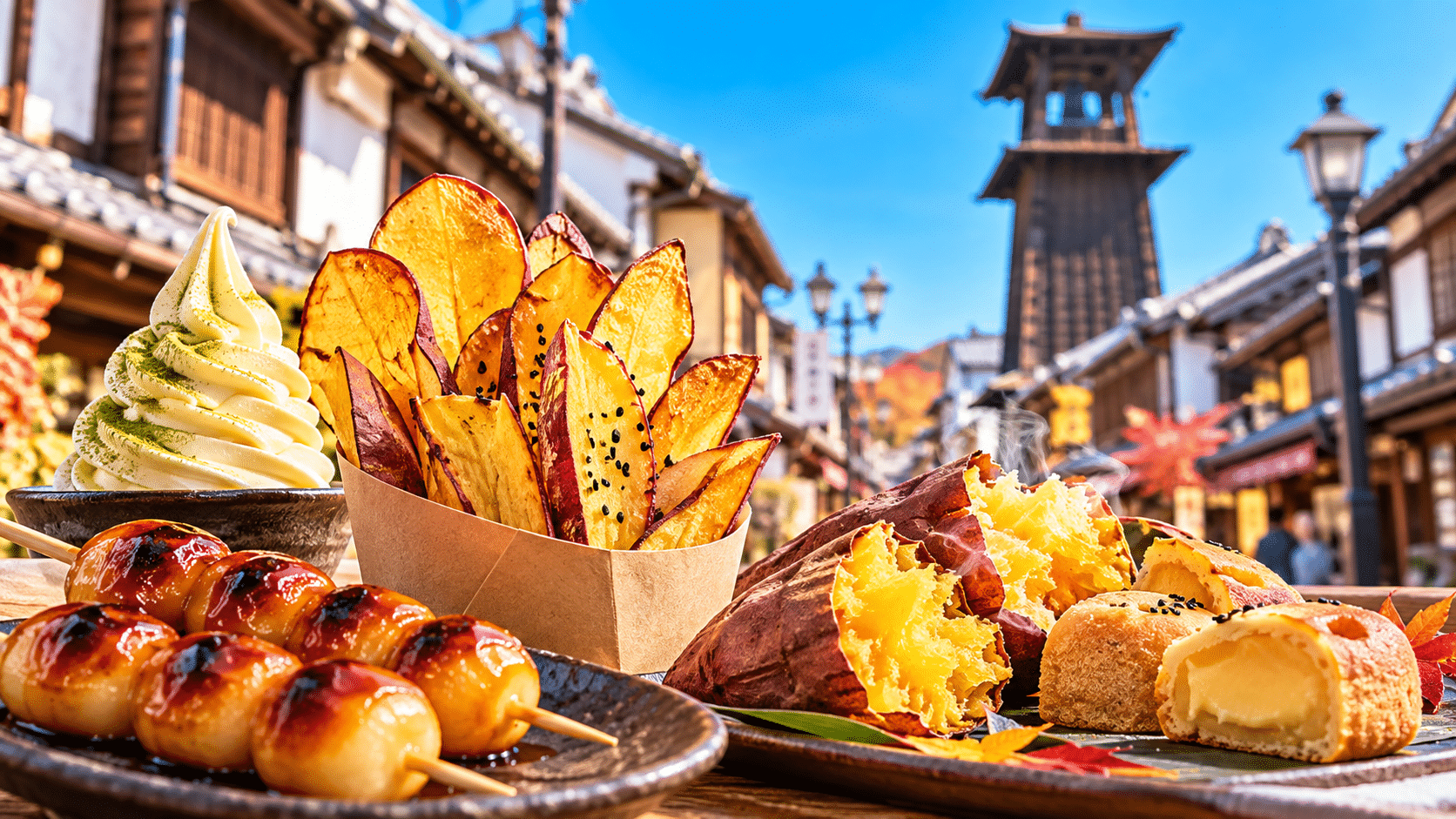
Food is part of the experience too. Kawagoe is particularly famous for sweet-potato treats, traditional sweets and eel. Use our What to Eat in Kawagoe guide to plan your lunch and snacks.
Practical Tips for Visiting Kitain
- Wear comfortable shoes because a Kawagoe sightseeing day involves plenty of walking.
- Check the official schedule before visiting during New Year or temple events.
- Photography is restricted inside the hall and museum areas; follow the signs and staff instructions.
- Eating and drinking are prohibited inside the hall.
- Give yourself extra time during cherry-blossom season and weekends.
Frequently Asked Questions
Is Kitain Temple worth visiting?
Yes, especially if you enjoy Japanese history, Buddhist temples or Edo-period architecture. Its Edo Castle connections and Rakan statues distinguish it from Kawagoe’s shopping streets.
How long do you need at Kitain?
About 45–60 minutes is comfortable for most visitors, although history enthusiasts may want longer.
Can I walk to Kitain from Kawagoe Station?
Yes. Kitain’s official access information gives an approximate walking time of 20 minutes from Kawagoe Station, 18 minutes from Kawagoeshi Station and 15 minutes from Hon-Kawagoe Station.
Can I visit Kitain and Little Edo on the same day?
Absolutely. Kitain is close enough to Kawagoe’s main historic sights to include in a one-day itinerary. Starting at Kitain and then walking toward the warehouse district works particularly well.
Final Thoughts
Kitain Temple is one of the best places in Kawagoe for travelers who want history, quiet temple grounds and a deeper connection to the Edo period.
Planning the rest of your day? Click the guide below to build a complete Kawagoe day trip from Tokyo →


Comments are closed.
[…] streets, Toki no Kane bell tower and Kashiya Yokocho. You can also combine the shrine with Kitain Temple for a day that mixes Kawagoe’s shrine, temple and Edo-period […]
[…] Kitain Temple Kawagoe Guide […]
[…] Next […]