
Kawagoe Hikawa Shrine Guide: Access, Highlights & Tips
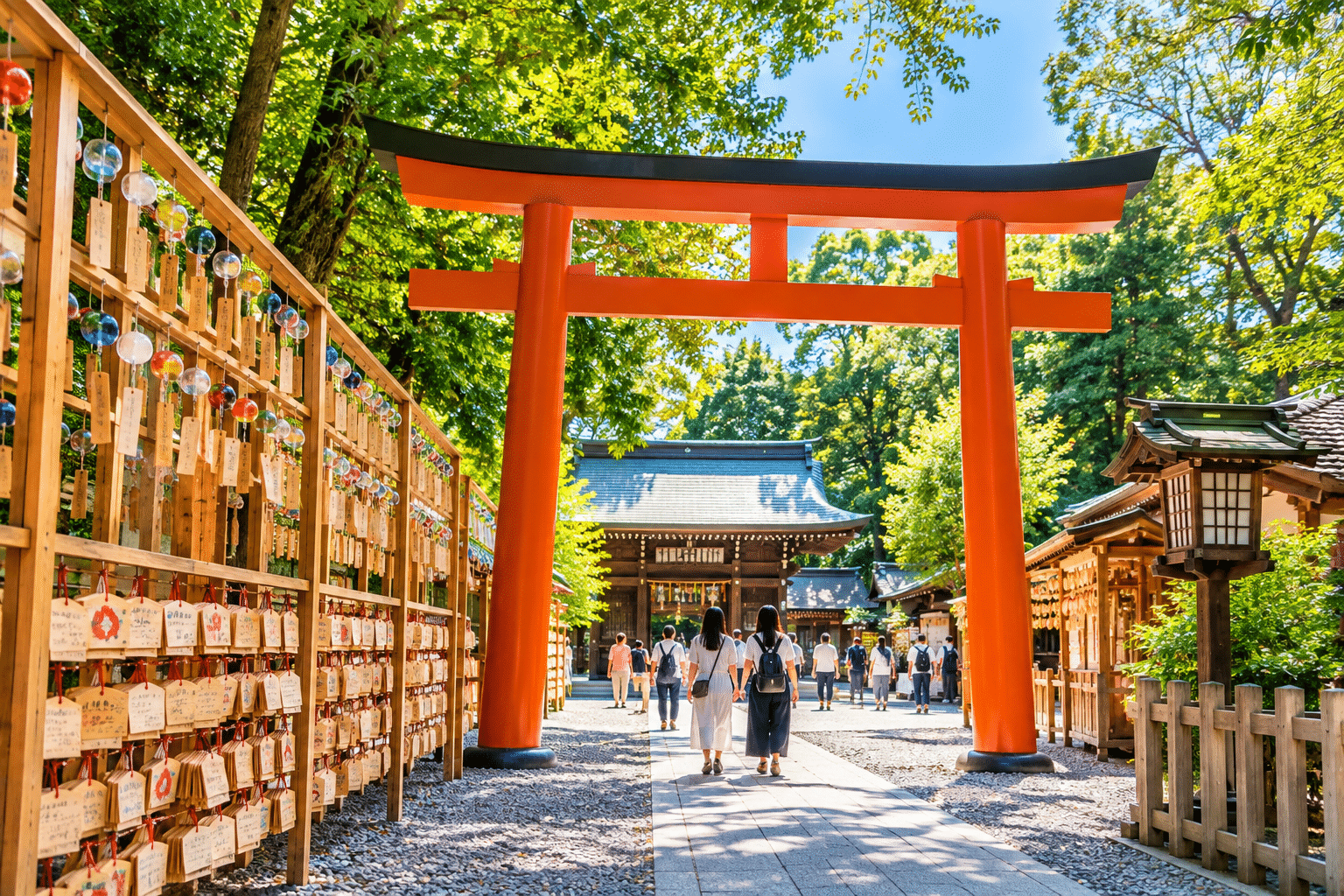
Kawagoe Hikawa Shrine is one of the most memorable places to visit in Kawagoe. With around 1,500 years of history, a huge wooden torii gate, an atmospheric ema tunnel and a long association with matchmaking, it is an easy stop to add to a Little Edo day trip from Tokyo.
This guide covers what to see at the shrine, how to get there, when to visit and how to combine it with other Kawagoe attractions.
Table of Contents
Kawagoe Hikawa Shrine at a Glance
- Japanese name: 川越氷川神社
- Address: 2-11-3 Miyashita-machi, Kawagoe, Saitama 350-0052
- Admission: Free to visit the shrine grounds
- Known for: matchmaking, the large wooden torii, ema tunnel and seasonal events
- Best for: couples, culture, history and photography
Why Visit Kawagoe Hikawa Shrine?
The shrine is closely connected with the history of Kawagoe. It traces its origins to 541 and later became an important guardian shrine after Kawagoe Castle was built in the 15th century.
It is especially famous as a shrine for enmusubi—the idea of forming meaningful bonds and relationships. The five deities enshrined here include two married couples, which is one reason the shrine has long been associated with matchmaking and family relationships.
What to See at Kawagoe Hikawa Shrine
1. The Giant Wooden Torii Gate
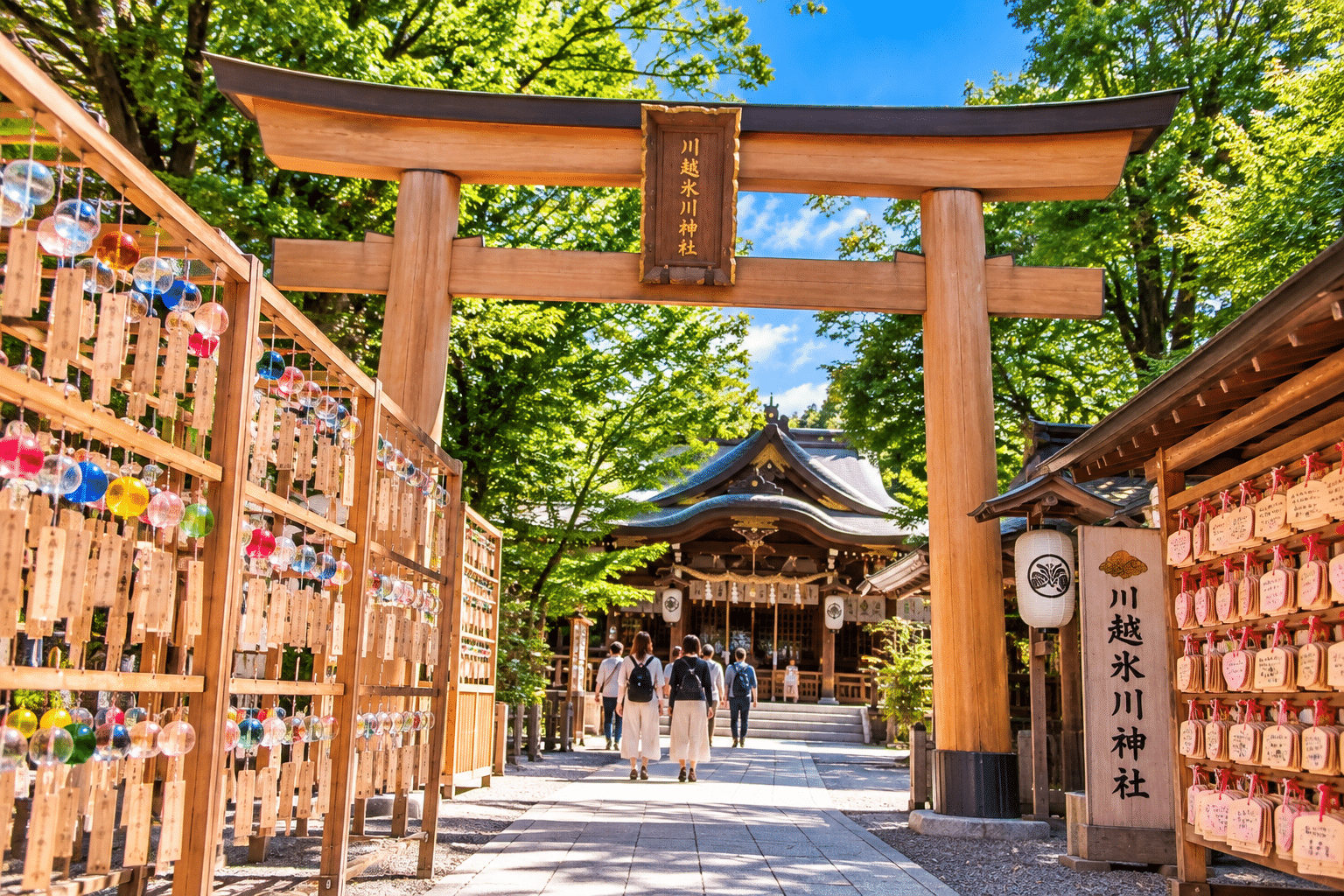
One of the first landmarks to look for is the impressive wooden torii at the eastern approach. The Kawagoe Tourism Association describes it as about 15 meters high and one of Japan’s largest wooden torii gates.
2. The Ema Tunnel
Thousands of wooden ema prayer plaques create one of the shrine’s most recognizable scenes. Visitors write wishes on the plaques and leave them at the shrine, forming an atmospheric passage that is especially beautiful when light filters through the layers of wood.
3. Enmusubi and Matchmaking Traditions
The shrine’s connection with relationships makes it particularly popular with couples and visitors hoping for good relationships. You can also find amulets and other shrine items connected with enmusubi.
4. Seasonal Wind Chimes
Summer is one of the most photogenic times to visit. During the shrine’s seasonal Enmusubi Wind Chime event, colorful Edo-style wind chimes decorate the grounds. Event dates change each year, so check the official Kawagoe Hikawa Shrine website before planning a trip specifically for the display.
How to Get to Kawagoe Hikawa Shrine
The shrine is at 2-11-3 Miyashita-machi in Kawagoe. From Kawagoe Station, Tobu buses serve the Kawagoe Hikawa Jinja stop directly. The Koedo Loop Bus also stops at Hikawa Jinja-mae. From Hon-Kawagoe Station, buses provide similar access. Because bus routes and timetables can change, confirm your connection on the official Kawagoe Hikawa Shrine website before departure, especially on weekends and during seasonal events.
If this is your first visit to the city, use our Kawagoe Day Trip from Tokyo guide to plan the full journey and sightseeing route.
Best Time to Visit Kawagoe Hikawa Shrine
The shrine is worth visiting throughout the year. Summer is especially popular because of the wind-chime displays, while spring and autumn make it easy to combine your visit with a comfortable walking day around Kawagoe. Visiting earlier in the day can also make the grounds feel calmer.
What to Do After Kawagoe Hikawa Shrine
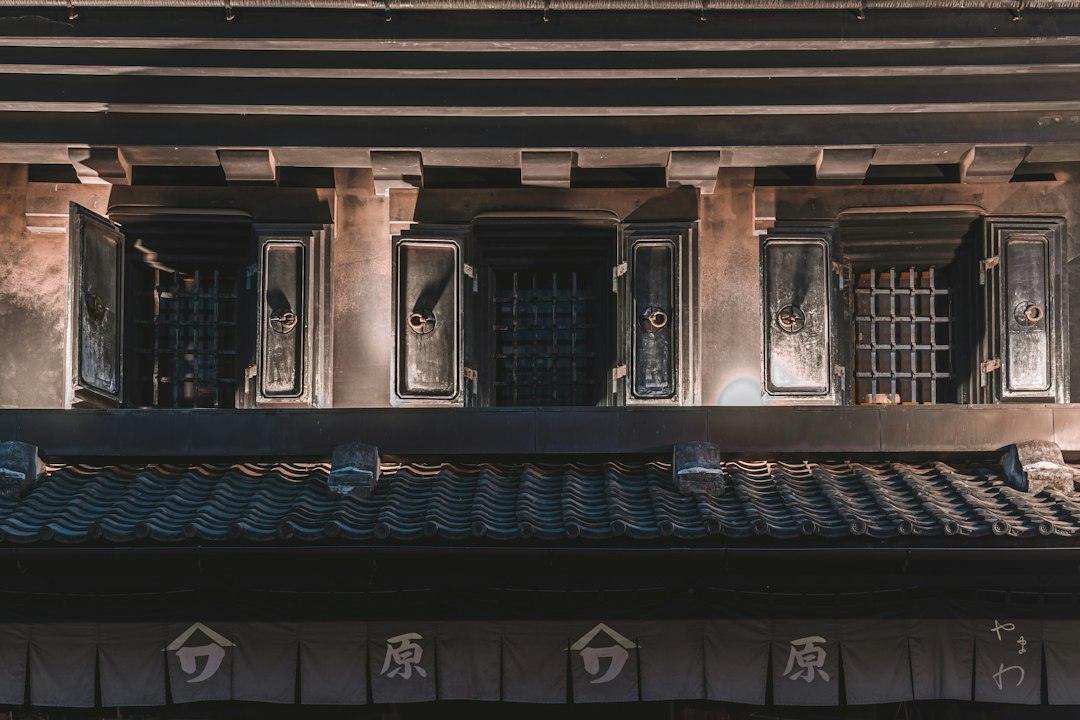
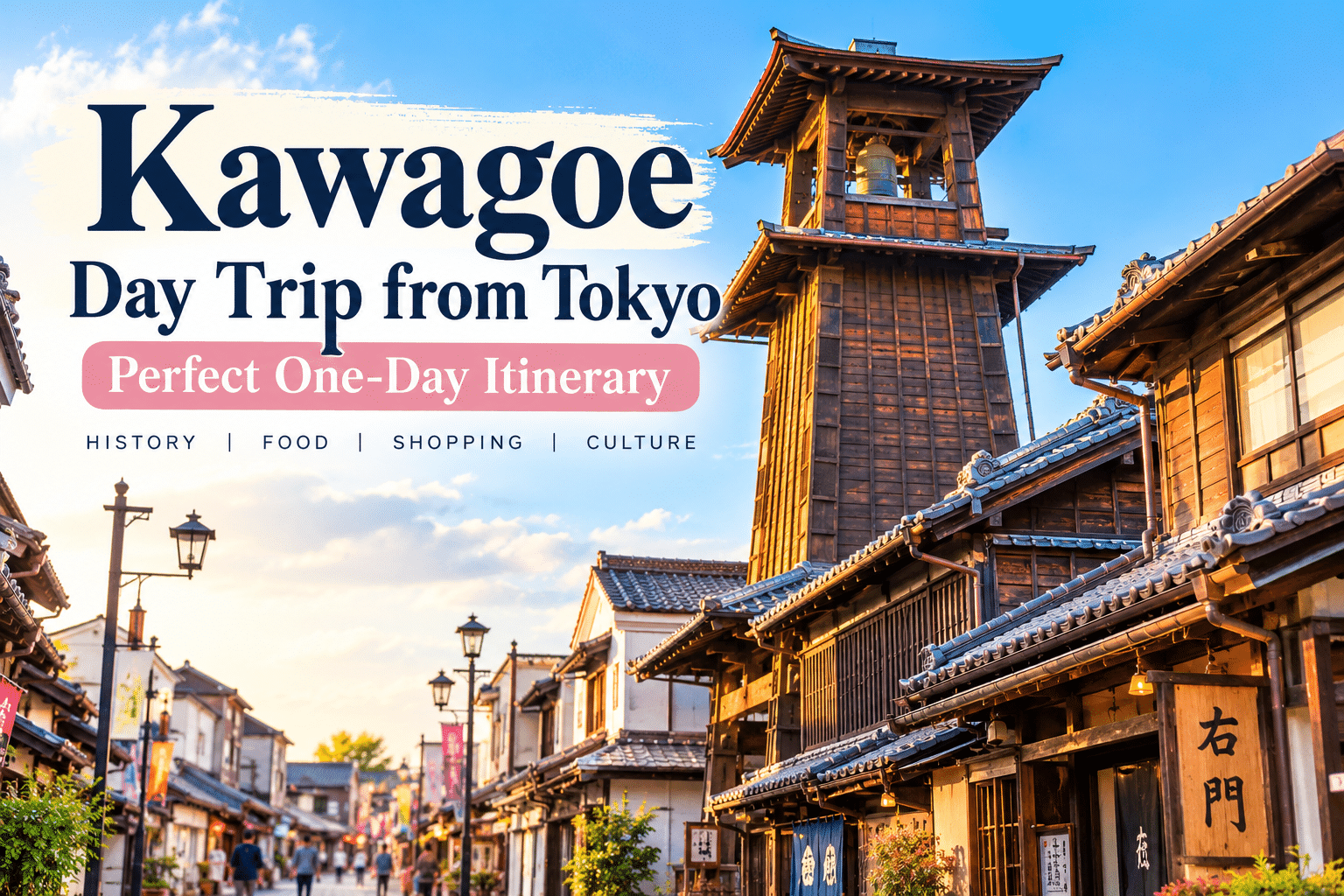
Continue toward Kawagoe’s historic center to see the Kurazukuri warehouse streets, Toki no Kane bell tower and Kashiya Yokocho. You can also combine the shrine with Kitain Temple for a day that mixes Kawagoe’s shrine, temple and Edo-period history.
When you are ready for lunch or snacks, our What to Eat in Kawagoe guide covers local specialties and popular foods to try.
Kawagoe Hikawa Shrine Practical Tips
- Remember that this is an active Shinto shrine and a place of worship.
- Check official notices before visiting for a seasonal event.
- The shrine does not provide a free visitor parking lot; drivers should use nearby coin parking.
- Do not photograph other worshippers or shrine staff without permission.
- Commercial photography requires particular care because the shrine has restrictions on unauthorized commercial shooting.
Frequently Asked Questions
Is Kawagoe Hikawa Shrine worth visiting?
Yes. It combines history, distinctive shrine traditions and attractive seasonal scenery, and it fits easily into a Kawagoe day trip.
Is Kawagoe Hikawa Shrine free?
General entry to the shrine grounds is free. Optional amulets, ema and other shrine items have separate charges.
What is Kawagoe Hikawa Shrine famous for?
It is particularly known for enmusubi and matchmaking traditions, its large wooden torii, ema tunnel and seasonal wind-chime displays.
Can I visit Hikawa Shrine and Kitain Temple on the same day?
Yes. Both can be included in a full Kawagoe sightseeing day along with the warehouse district, Toki no Kane and Candy Alley.


Comments are closed.
[…] Kawagoe Hikawa Shrine Guide […]
[…] Kawagoe Hikawa Shrine is another highlight of a Kawagoe day trip. For practical details and seasonal highlights, see our Kawagoe Hikawa Shrine Guide. […]
[…] visit: Little Edo Coffee is especially convenient if Kawagoe Hikawa Shrine is part of your itinerary. It occupies a renovated long-established liquor-shop […]