
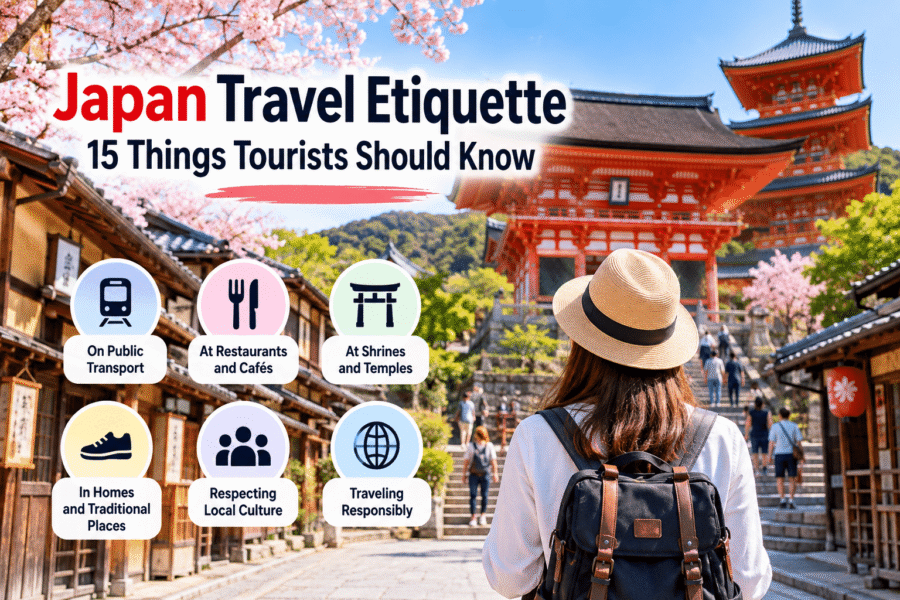
Japan Travel Etiquette: 15 Things Tourists Should Know
Japan travel etiquette is about being considerate of the people around you. You do not need to memorize complicated customs before your trip. These 15 practical tips explain how to behave respectfully on trains, in restaurants, at temples and shrines, and while sightseeing, so you can explore Japan with confidence.
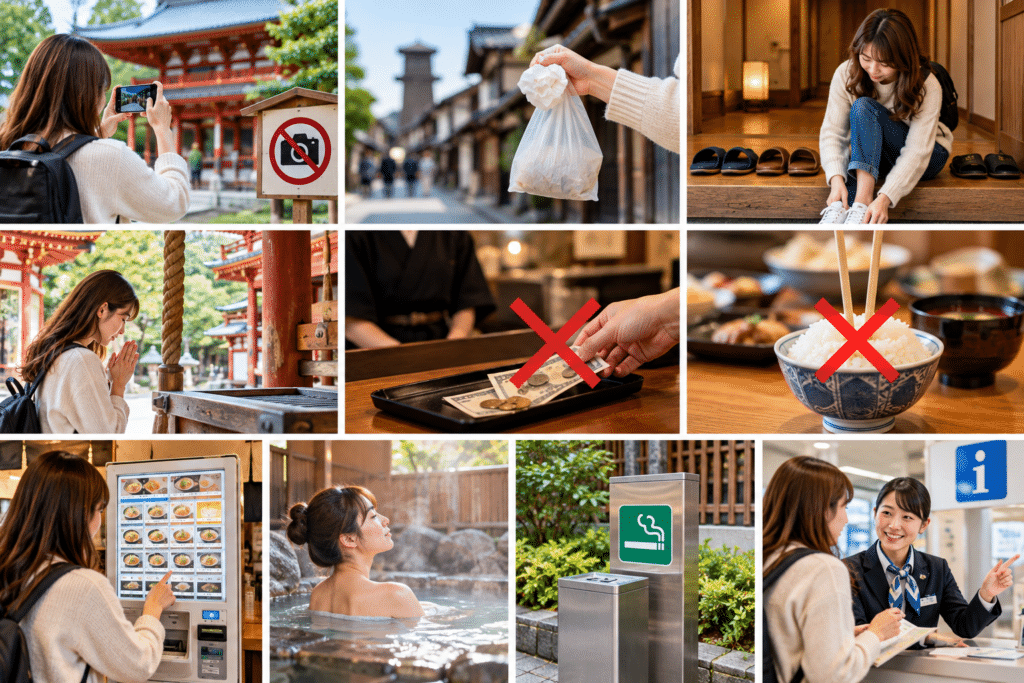
15 Most Important Japan Travel Etiquette Rules
Keep your voice down on public transport, queue properly, respect photography restrictions, carry your rubbish when bins aren’t available and follow posted instructions.
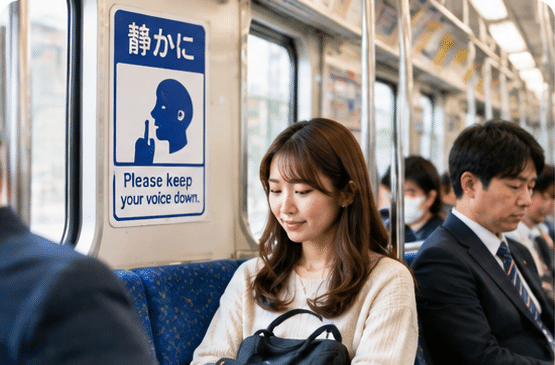
1. Speak softly on trains
On trains and buses, speak quietly and put your phone on silent. Avoid phone calls in passenger areas, especially on crowded commuter services. If you need to take a call, wait until you leave the train.
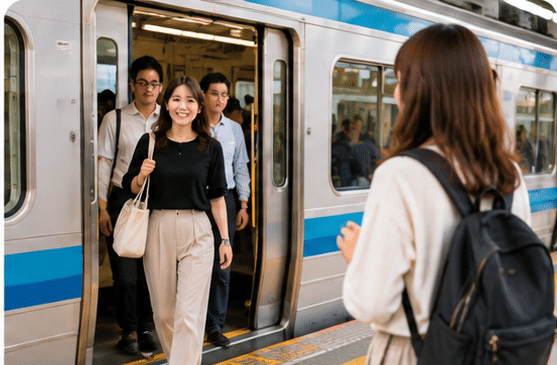
2. Let passengers exit first
Stand to the side of the doors and allow everyone to get off before you board. Follow platform queue markings where provided, and avoid rushing into a carriage as the doors open.
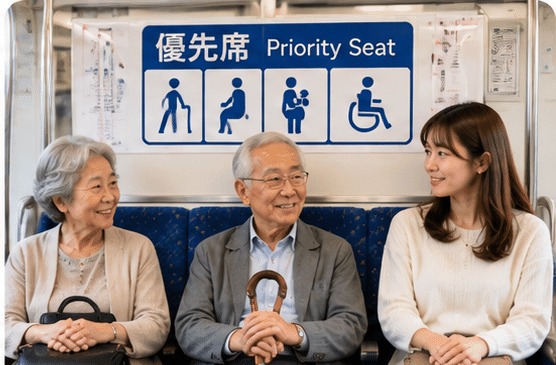
3. Respect priority seats
Priority seats are intended for passengers who may need them, including older adults, pregnant travelers and people with disabilities or injuries. Be ready to offer your seat, and follow the signs in each carriage.
4. Queue patiently
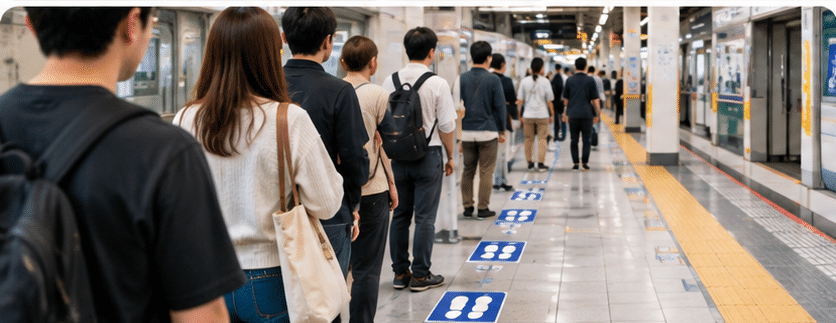
At train stations, popular restaurants and ticket counters, look for floor markings or signs showing where the line begins. Join the end of the queue rather than gathering around the entrance.
5. Manage large luggage
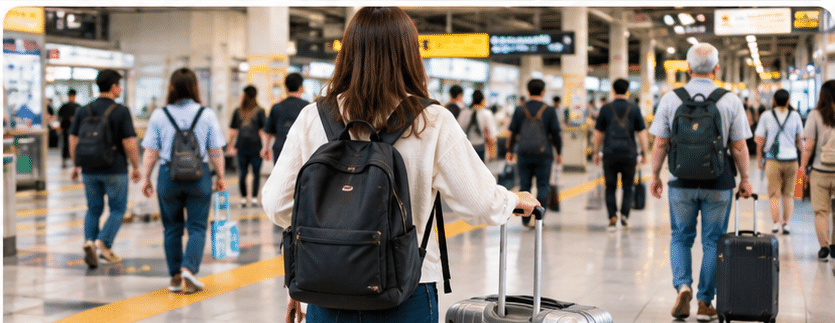
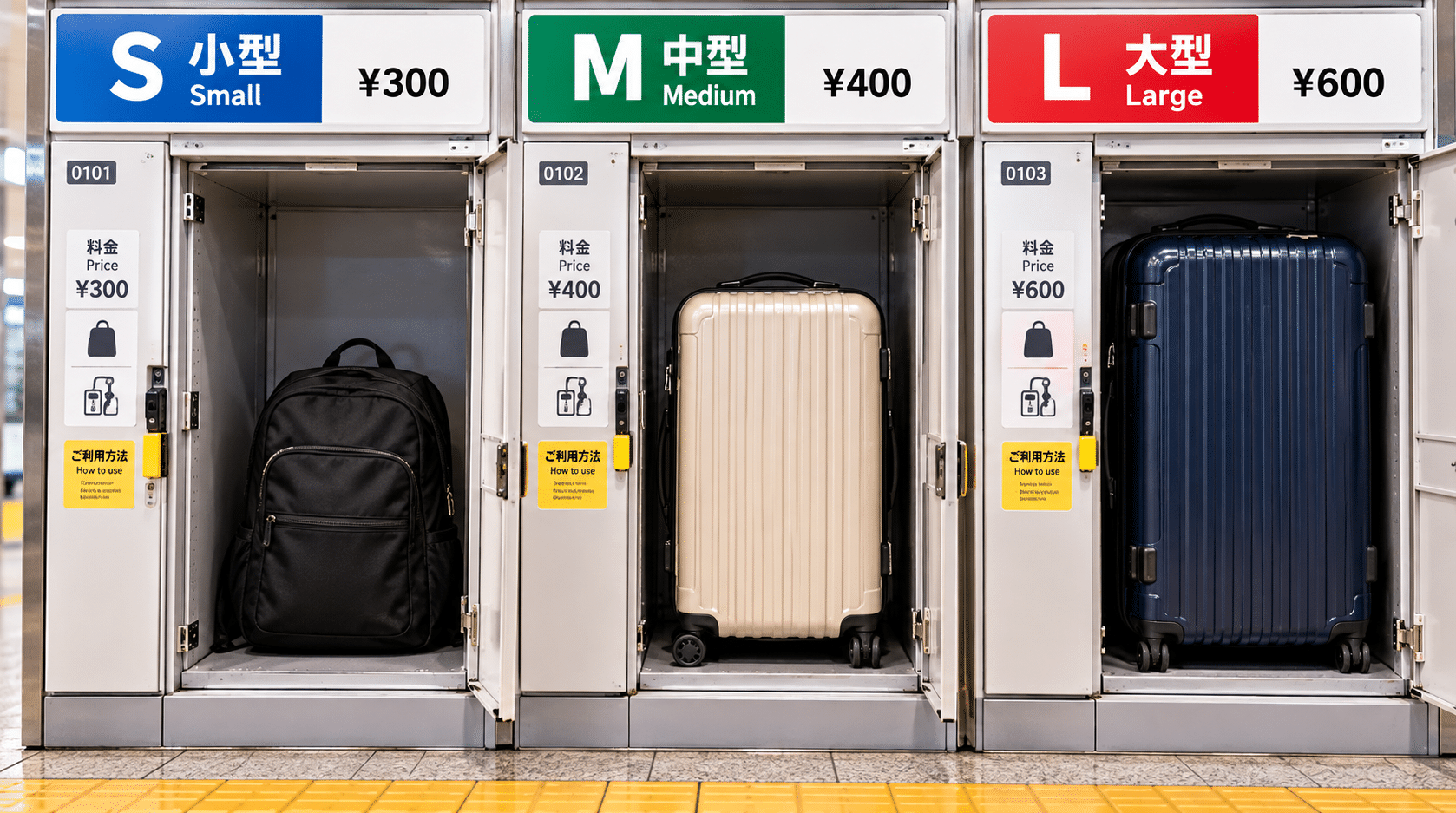
Keep suitcases out of doorways and narrow aisles. On busy trains, use designated luggage spaces when available and keep your bags close so other passengers can move safely. Follow local signs and keep your luggage from blocking the way.
6. Check photography rules
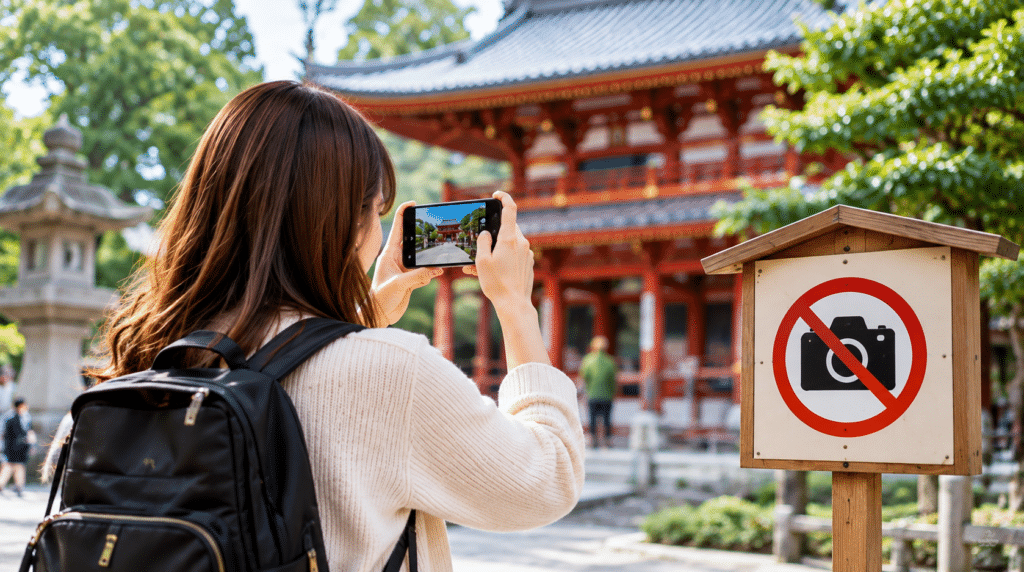
Look for no-photo signs at temples, shrines, museums, shops and private properties. Ask before taking close-up pictures of people, and never enter restricted areas just to get a better shot.
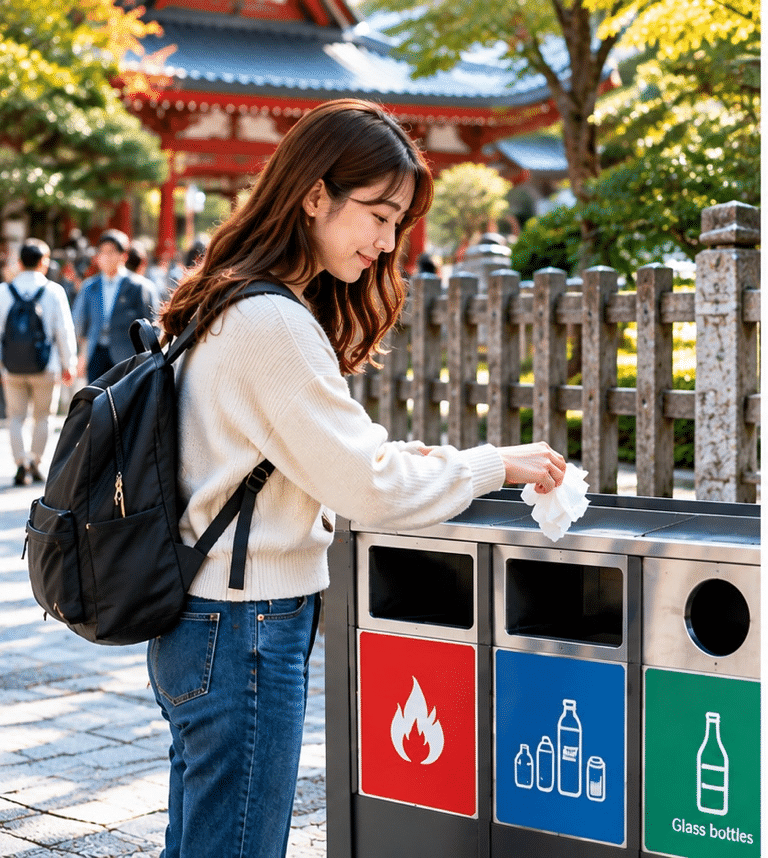
7. Keep rubbish until you find a bin
Public rubbish bins can be difficult to find, even in busy sightseeing areas. Carry a small bag for wrappers and tissues until you find a suitable bin. Follow sorting labels when bins are provided.
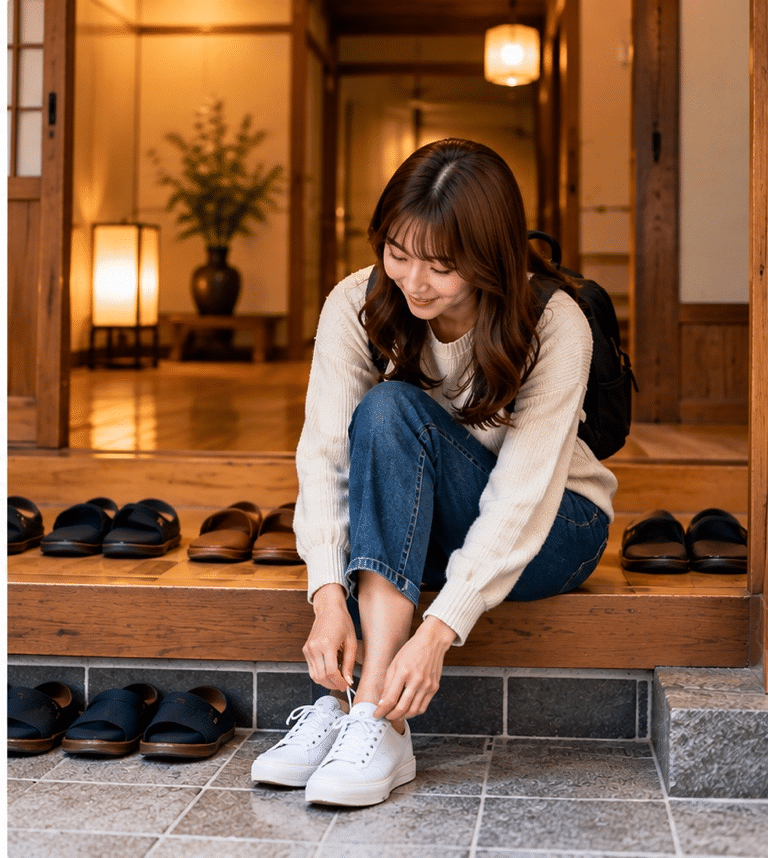
8. Remove shoes when requested
Remove your shoes when entering places that require it, such as some ryokan, traditional restaurants, homes and temple buildings. Look for a shoe rack, slippers or a raised floor at the entrance, and follow the host’s instructions.
9. Be considerate at shrines and temples
Speak quietly, respect worshippers and follow signs about where visitors may walk or take photos. Some halls and ceremonies are not open to photography. If you are unsure, ask staff before entering.
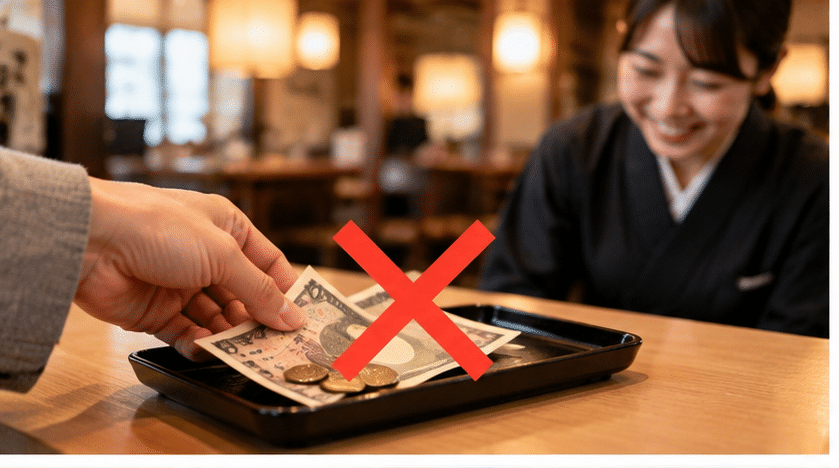
10. Do not assume tipping is expected
Tipping is not generally expected in everyday restaurants, taxis or hotels in Japan. Pay the stated price and thank the staff politely. Some special services may have their own arrangements, so check if unsure.
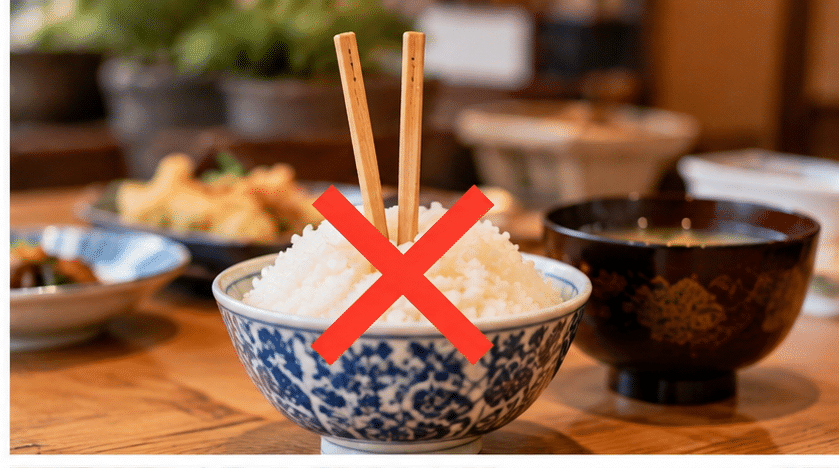
11. Use chopsticks respectfully
Avoid standing chopsticks upright in rice or passing food directly between pairs of chopsticks, as these actions are associated with funeral customs. Use a serving utensil or place food on a plate instead.
12. Follow restaurant instructions
Some restaurants seat customers, while others ask you to buy a meal ticket from a machine first. Check signs at the entrance, join the queue if there is one and ask staff if the ordering process is unclear.
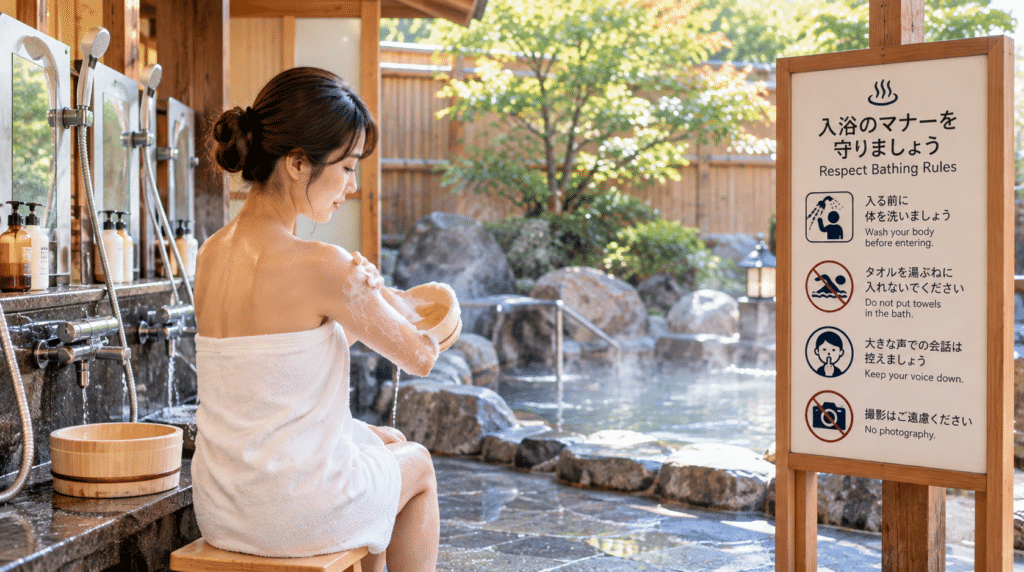
13. Respect bathing rules
At an onsen or sento, wash and rinse your body before entering the shared bath. Check the facility’s rules about tattoos, towels, swimwear and photography before visiting; policies vary by location.
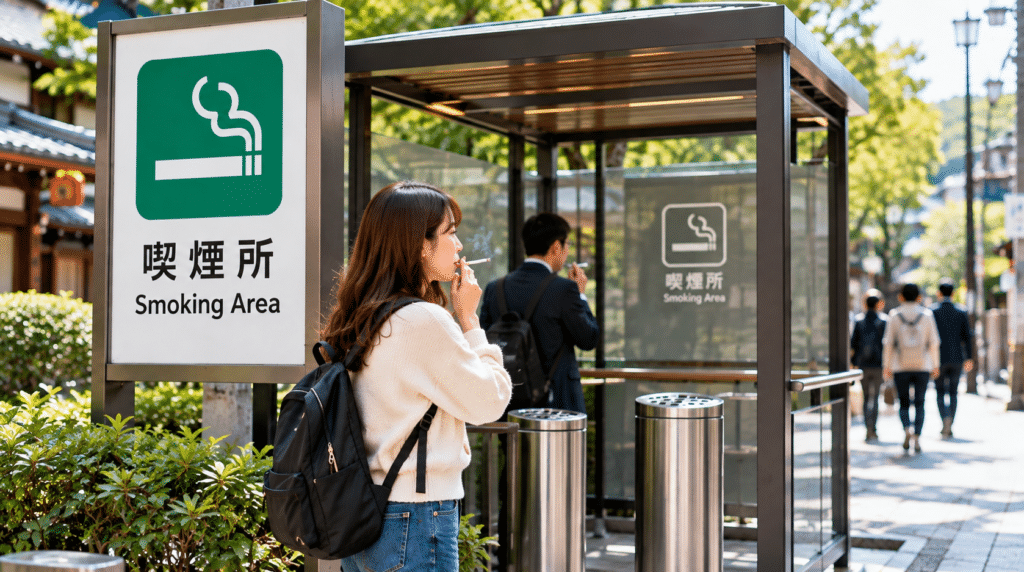
14. Use designated smoking areas
Smoking rules vary by city and neighborhood. Use designated smoking areas where provided, follow local signs and avoid smoking while walking through crowded streets.
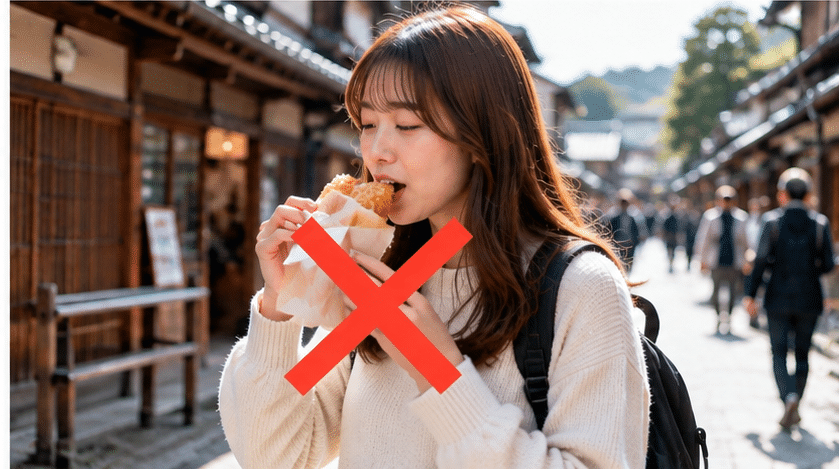
15. Eating while walking
At markets and food stalls, check whether there is a designated place to eat. Some busy sightseeing streets ask visitors not to eat while walking. Finish your snack where permitted, and keep walkways clear.
Useful Japanese Phrases
すみません
Sumimasen
Excuse me / Sorry / Getting someone’s attention
ありがとうございます
Arigatou gozaimasu
Thank you very much
お願いします
Onegaishimasu
Please / A polite request
Travel Japan with Confidence: A Few Final Tips
You don’t need to know every Japanese custom before your trip. A little awareness, patience, and respect can make your experience much smoother.
- Watch for local signs. Rules may differ between temples, restaurants, trains, and public spaces.
- Be considerate of others. Keep noise down, avoid blocking walkways, and respect personal space.
- Ask when unsure. A friendly sumimasen (excuse me) is a useful way to get someone’s attention.
- Enjoy the experience. Learning local customs is part of discovering Japan.
Official Sources and Further Reading
Read the Japan National Tourism Organization etiquette guide and official tipping advice. For train travel, see our Suica guide.
Continue Planning Your Japan Trip
Now that you know the essential etiquette rules, these practical guides will help you travel around Japan with more confidence.

Comments are closed.
[…] →🚆How to Use Suica in JapanMake trains and everyday payments easier.Read the Suica Guide →🎌Japan Travel EtiquetteKnow the customs that make travel smoother.Read the Etiquette Guide → Traveler Tip: Save these guides before your trip so you can quickly check transport, sightseeing, […]