
Omiya Bonsai Village Guide: Museum, Access, Map & Tips
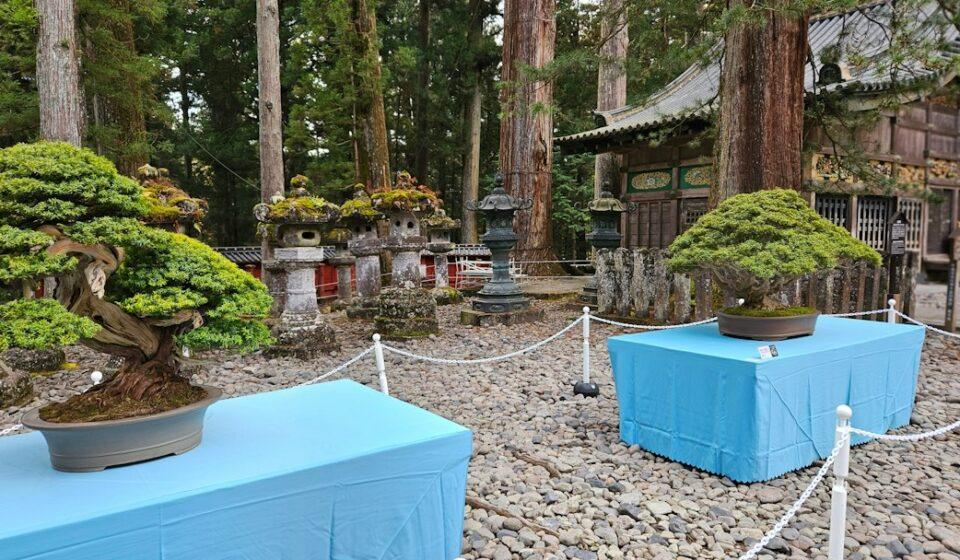
Omiya Bonsai Village is one of the most distinctive cultural areas in Saitama City and an easy day trip from Tokyo. The neighborhood is known for its historic bonsai nurseries, quiet residential streets, and the Omiya Bonsai Art Museum, where visitors can learn how to appreciate bonsai even if they are complete beginners.
This guide covers what to see in Omiya Bonsai Village, current museum hours and admission, how to get there, useful maps, etiquette, and how to combine the area with other Omiya attractions.
Table of Contents
Why Visit Omiya Bonsai Village?
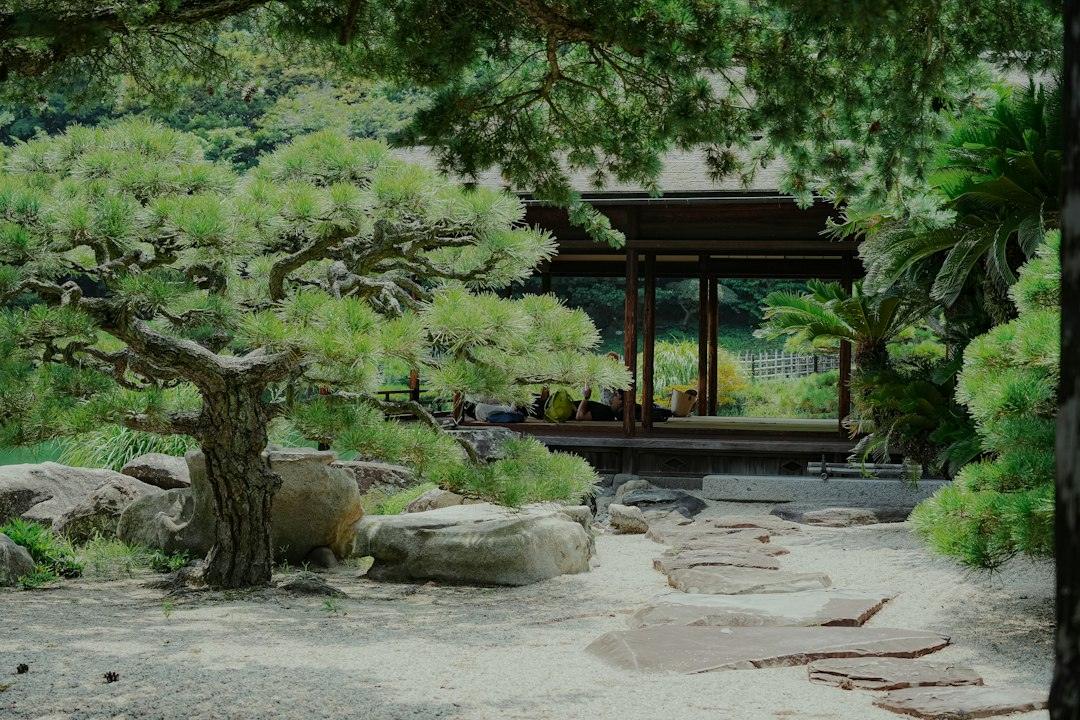
Omiya Bonsai Village was established in 1925 by bonsai growers who relocated from Tokyo after the Great Kanto Earthquake. The district developed into a specialist bonsai community and remains internationally known for bonsai culture today.
For travelers, the appeal is not only the trees themselves. The area feels calm and residential, making it a pleasant contrast to busy central Tokyo. It is also a good cultural stop for visitors who want to experience something more local and specialized than the usual sightseeing route.
Omiya Bonsai Art Museum
The Omiya Bonsai Art Museum is the best starting point for first-time visitors. The museum introduces the basics of bonsai appreciation and displays bonsai, pots, suiseki viewing stones, paintings, and historical materials.
- Address: 2-24-3 Toro-cho, Kita Ward, Saitama City, Saitama 331-0804
- Hours, March–October: 9:00–16:30
- Hours, November–February: 9:00–16:00
- Last admission: 30 minutes before closing
- Closed: Thursdays except national holidays, December 29–January 3, plus occasional temporary closures
- Adult admission: ¥310
- High school/university students and age 65+: ¥150
- Elementary and junior-high students: ¥100
The museum also offers an English International Gallery Guide on Tuesdays at 10:30 and 13:30, except on national holidays. The guide is free, but normal museum admission is required. Schedules can change, so check the official website before visiting.
Official information: Omiya Bonsai Art Museum.
What to See in Omiya Bonsai Village
1. Traditional Bonsai Nurseries
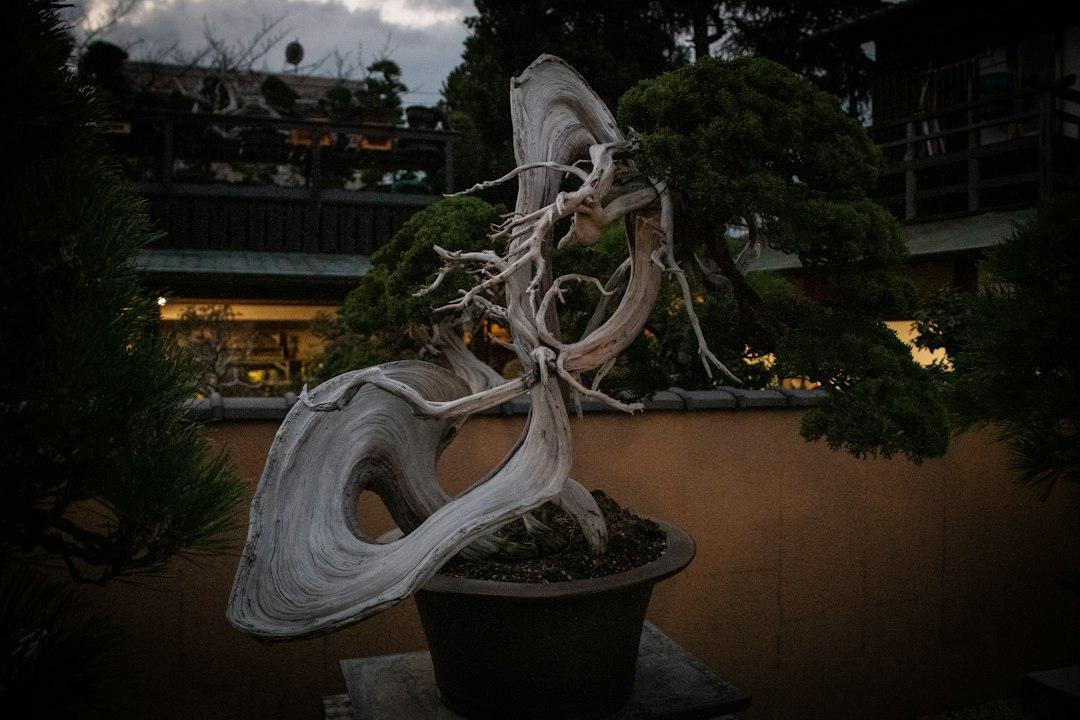
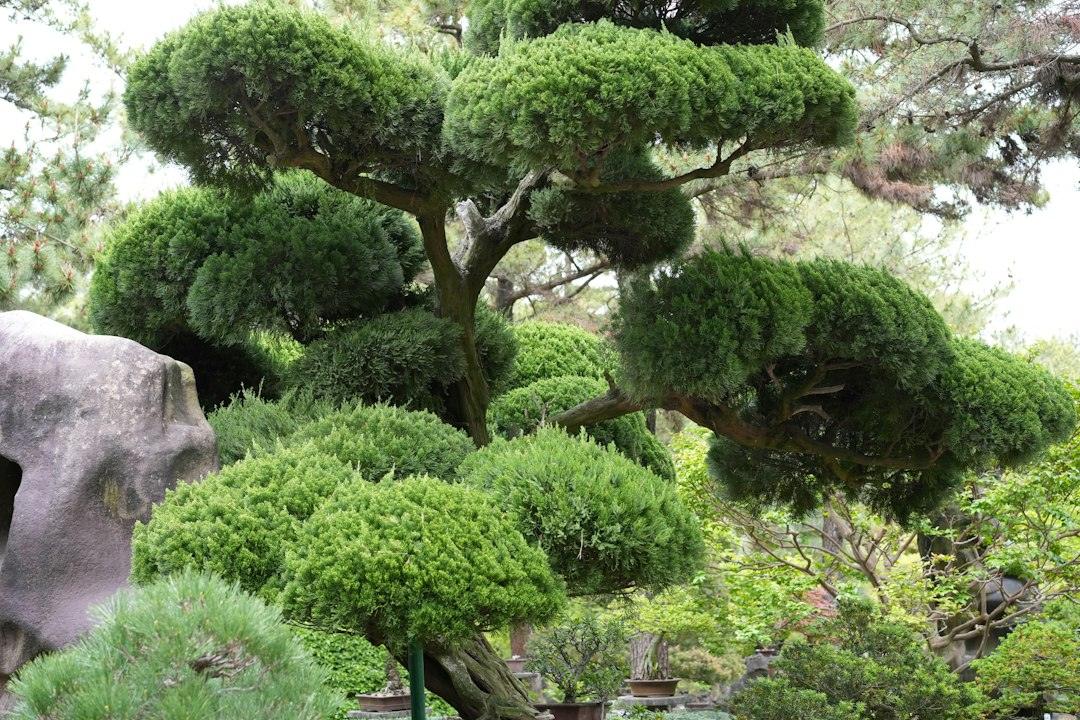
The village is known for long-established bonsai nurseries. Each nursery has its own character and specialties, and some allow visitors to view carefully cultivated trees. These are working businesses rather than theme-park attractions, so follow posted rules and staff instructions.
2. Bonsai Garden Scenery
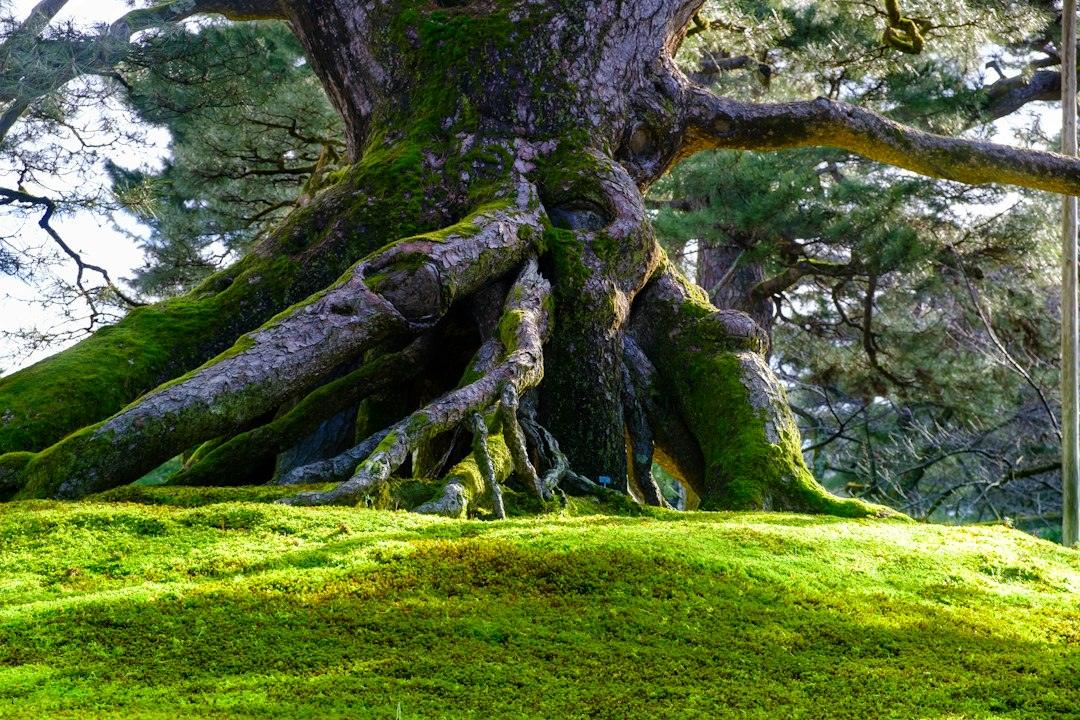
The neighborhood itself is part of the experience. Quiet streets, garden walls, pines, and traditional landscaping make the area pleasant to explore slowly on foot.
3. Seasonal Bonsai
Bonsai changes throughout the year. Flowering trees are attractive in spring, deep greens dominate summer, autumn foliage adds color later in the year, and winter makes branch structure easier to appreciate.
How to Get to Omiya Bonsai Village
The easiest access point for the museum is Toro Station on the JR Utsunomiya Line. The museum is about a 5-minute walk from the East Exit. You can also walk from Omiya-koen Station on the Tobu Urban Park Line in about 10 minutes.
If you are coming from central Tokyo, travel first toward Omiya or Toro depending on your route. Our Omiya Travel Guide gives a broader overview of the area, while the Best Day Trips from Tokyo to Saitama guide can help you compare Omiya with other nearby destinations.
Map & Useful Links
- Google Maps: Omiya Bonsai Art Museum
- Google Maps: Toro Station
- Google Maps: Omiya-koen Station
- Official museum access and admission
- NAVITIME Japan route planner
How Much Time Do You Need?
Allow around 2–3 hours for the museum and a relaxed walk through the village. Bonsai enthusiasts may want longer, especially if they plan to visit several nurseries. If you are combining Bonsai Village with Hikawa Shrine, Omiya Park, or the Railway Museum, a full day in Omiya works well.
Practical Tips & Etiquette
- Check museum closing days before leaving Tokyo.
- Wear comfortable shoes because the area is best explored on foot.
- Ask before photographing inside private bonsai nurseries.
- Do not touch bonsai trees, pots, displays, or tools.
- Keep your voice low and remember that many nurseries are active workplaces.
- Summer can be hot and humid, so carry water.
What to Combine with Bonsai Village
Omiya Bonsai Village is easy to combine with other attractions in the same area. Musashi Ichinomiya Hikawa Shrine and Omiya Park work well for a culture-and-nature day, while the Railway Museum is a strong choice for families and train fans.
For a complete day plan, use our Omiya Travel Guide.
FAQ
Is Omiya Bonsai Village worth visiting?
Yes, especially if you enjoy Japanese culture, gardens, art, photography, or quiet neighborhoods. The museum also makes the area accessible to beginners who know very little about bonsai.
How much is the Omiya Bonsai Art Museum?
As of October 2026, standard adult admission is ¥310. Discounted rates apply to students, older visitors, and children.
What is the nearest station?
Toro Station is the closest common access point for the museum, about a 5-minute walk from the East Exit. Omiya-koen Station is another option, about a 10-minute walk away.
Can I visit Omiya Bonsai Village as a day trip from Tokyo?
Yes. Omiya is close enough to central Tokyo for an easy day trip, and Bonsai Village can be combined with Hikawa Shrine, Omiya Park, or the Railway Museum.
Final Thoughts
Omiya Bonsai Village offers a quieter and more specialized side of Saitama. Start at the Omiya Bonsai Art Museum, walk through the historic bonsai district, and then continue to another Omiya attraction if you have time.
Want more easy Saitama day-trip ideas from Tokyo?
👇 Click the guide below to explore Kawagoe, Chichibu, Nagatoro, Omiya and more.