
How to Change Trains in Japan: Transfer Gates, Platforms & IC Card Tips
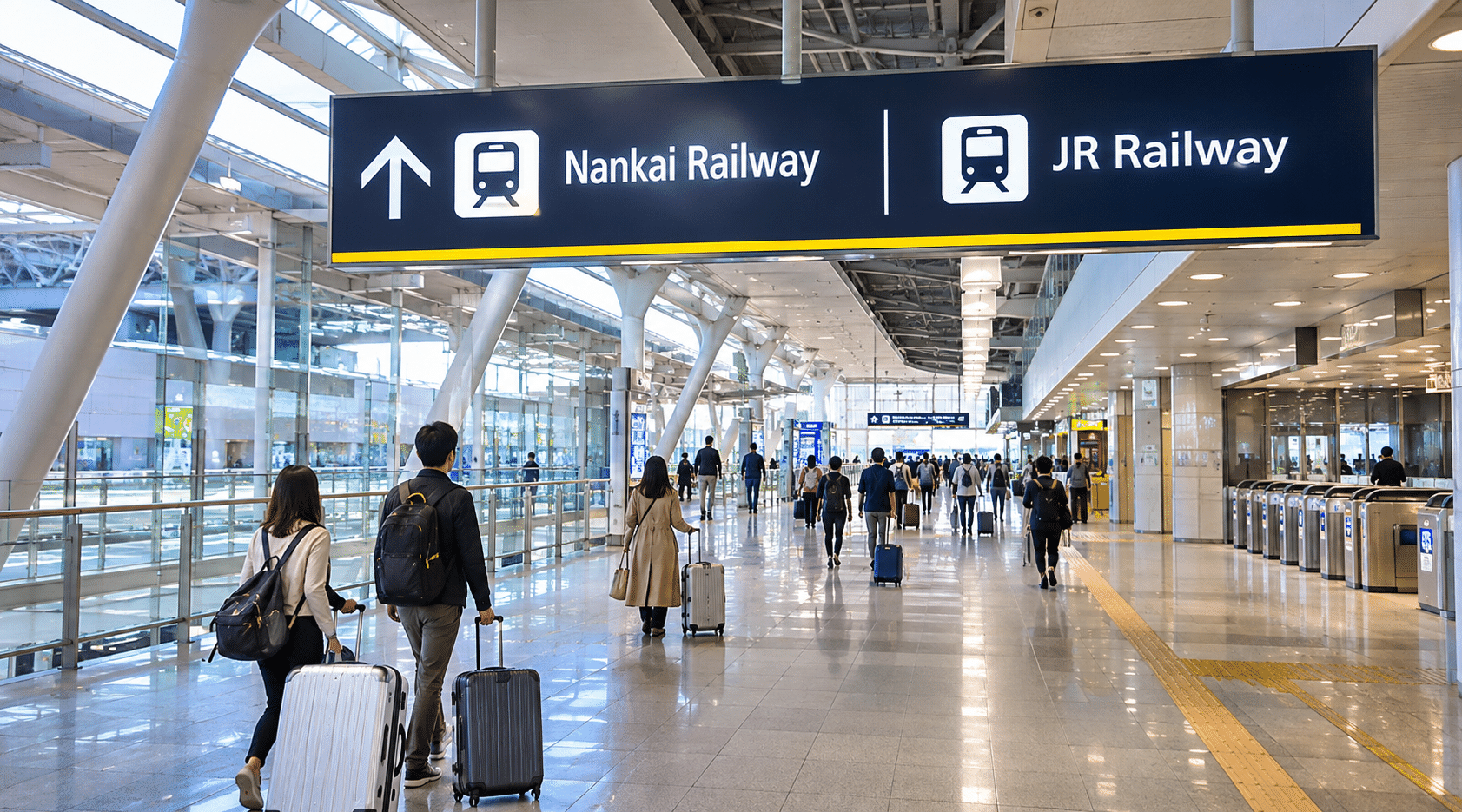
Changing trains in Japan is usually straightforward once you know which signs to follow. The confusing part for first-time visitors is that a “transfer” can mean changing platforms, passing through ticket gates, or walking to a different railway company’s station.
Quick answer: how to change trains in Japan
- Check the next train’s operator, line, direction, departure time and platform in a route planner.
- After leaving your first train, follow signs for Transfer / のりかえ (norikae) and the next line’s name.
- Use the designated transfer gate if one is provided. Otherwise, exit and enter the next company’s gates as instructed.
- Check the platform departure display again: local, rapid and express trains may serve different stations.
- Keep your ticket or IC card ready until the journey is complete.
1. Understand railway operators and transfer gates
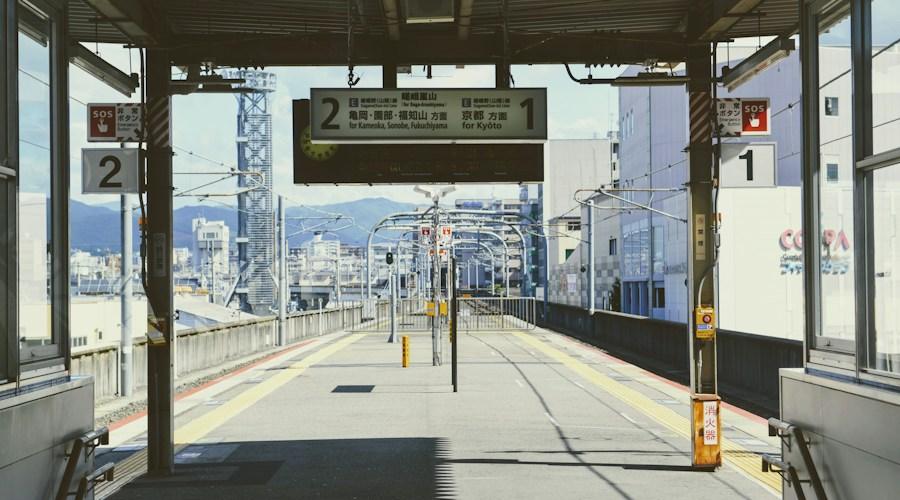
Japan’s urban rail network combines JR, subway systems and private railways. At a large station, a route may involve two different operators even when both trains are inside the same complex. Some connections are within paid areas; others require leaving one set of gates and entering another. Follow the signs for the specific line rather than assuming all platforms are connected.
If you are using a rechargeable IC card such as Suica, tap it at the required gates. Do not walk through a gate without tapping because the fare system needs to record the correct entry and exit. Learn more in our Suica guide.
2. Read the departure board before boarding
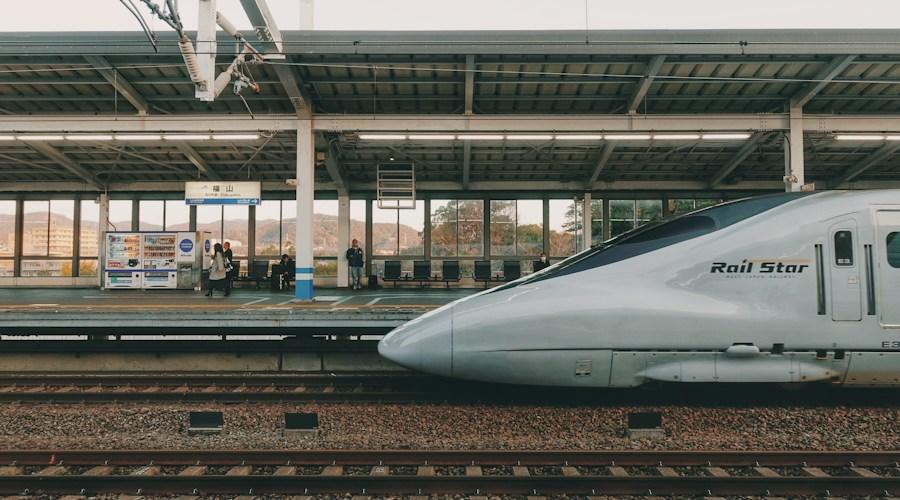
Look for the train type, destination, platform and departure time. A train’s final destination is not necessarily your stop. Check whether your station is served by that service. On some routes, a rapid or express train skips smaller stations, and some trains continue onto another operator’s line.
Helpful signs: のりかえ (transfer), 出口 (exit), 改札 (ticket gate), ホーム (platform), and 各駅停車 (local train).
3. Allow extra time at major stations
At Shinjuku, Tokyo, Shibuya, Osaka and Kyoto stations, transfers may involve escalators, long corridors and crowded concourses. For a first visit, add a buffer beyond the shortest route-planner estimate, especially with children or luggage. Elevators can require a longer route than stairs.
Do not rely on a fixed universal transfer time: the distance depends on the exact platforms, operator and station layout. Use official station maps when an interchange looks complicated.
4. What if your train is delayed or you miss the connection?
For ordinary frequent commuter trains, check the next service and updated route. If you have a reserved-seat limited express or Shinkansen ticket, ask railway staff about the applicable ticket conditions before boarding a different train. Rules depend on the ticket and operator.
For an airport transfer, leave a larger margin and verify the last departure. If you land late, read our guide to arriving in Japan late at night. See our guides to Narita Airport transport and Haneda Airport transport.
5. Common transfer mistakes
- Following only the line color: confirm the operator and line name too.
- Boarding the first train on the platform: check whether it stops at your station.
- Exiting the wrong gate: look for transfer signs before leaving the paid area.
- Using a ticket for the wrong operator: verify whether you need a separate fare or ticket.
- Planning an impossibly tight connection: allow time for crowds, luggage and elevators.
6. Useful Japanese phrases at the station
〇〇線はどこですか? (___-sen wa doko desu ka?) — Where is the ___ Line?
乗り換えはどこですか? (Norikae wa doko desu ka?) — Where do I transfer?
この電車は〇〇に止まりますか? (Kono densha wa ___ ni tomarimasu ka?) — Does this train stop at ___?
For more, see our useful Japanese phrases for tourists.
Official sources and planning tools
For current service notices and station information, check JR East, Tokyo Metro, and JR West. Platform assignments, fares and schedules can change, so verify your actual travel date.
Frequently asked questions
Do I tap my Suica when changing trains?
Tap at any gate you pass through as directed. If the transfer stays inside the same paid area, you may not encounter a gate at all.
Can I change from JR to a subway?
Yes. Follow signs to the subway line; depending on the station you may need to exit JR gates and enter the subway gates.
Is Google Maps enough for a transfer?
A route planner is useful for choosing lines and departure times, but station signage and live departure boards should be your final check.
Next read: How to use coin lockers in Japan if you are changing trains with heavy luggage.