Tokyo to Mount Fuji: Best Ways to Get There (2026 Guide)
Planning a Mount Fuji day trip from Tokyo? You do not need to climb the mountain to enjoy spectacular views. For most first-time visitors, Lake Kawaguchiko is one of the easiest bases, with direct trains and highway buses from Shinjuku. This 2026 guide explains how to get there, how much transport costs, where to go and how to plan your day.
Tokyo to Mount Fuji: Quick Transportation Comparison
| Option | Typical time | One-way adult fare | Best for |
|---|---|---|---|
| Fuji Excursion direct train | From about 1 hr 54 min | ¥4,200 to Kawaguchiko | Comfort and avoiding road traffic |
| Highway bus from Shinjuku | About 1 hr 45 min without delays | ¥2,200 to Kawaguchiko | Budget-conscious visitors |
| Train via Otsuki | Usually 2–3 hours depending on connections | Depends on JR train and Fujikyu service | Flexible departures |
| Rental car | Often 1.5–3 hours, traffic dependent | Rental, tolls, fuel and parking vary | Multiple stops and families |
1. Fuji Excursion Train: The Easiest Direct Rail Route
The Fuji Excursion (Fuji Kaiyu) limited express runs directly from Shinjuku to Kawaguchiko, so there is no need to change trains at Otsuki. Fujikyu Railway lists the adult one-way fare as ¥4,200, including the basic and express fares. The fastest journey takes around 1 hour 54 minutes. It also serves Shimoyoshida, convenient for the Chureito Pagoda area.
Seats are reserved or sold as seat-unassigned limited-express tickets; a basic-fare ticket alone is insufficient. Reserve ahead during weekends, cherry blossom season and autumn foliage. Check the official Fuji Excursion timetable and fares.
2. Highway Bus from Shinjuku: Best Budget Option
Highway buses depart from Busta Shinjuku (Shinjuku Expressway Bus Terminal) and travel to Kawaguchiko Station. The operator lists a one-way adult fare of ¥2,200 and an approximate journey of 1 hour 45 minutes. Allow extra time on weekends and holidays, when traffic can be heavy.
Buses also serve selected stops such as Fuji-Q Highland, Shimoyoshida and Oshino Hakkai, depending on the service. Book the stop that matches your sightseeing plan. See the official highway bus fares and stops.
3. Train via Otsuki: A Flexible Alternative
If the direct Fuji Excursion is fully booked or its schedule does not suit you, take a JR Chuo Line train from Shinjuku toward Otsuki, then change to the Fujikyu Railway for Kawaguchiko. Depending on the JR service, you may need an additional limited-express ticket. Confirm the total fare and transfer time before departure.
4. Rental Car or Guided Day Tour
A rental car offers flexibility if you want to visit several spread-out attractions, but remember to budget for expressway tolls, fuel, parking and traffic. A guided tour can be convenient if you prefer transport and sightseeing arranged together. Always check exactly which stops are included, how long you spend at each and whether entrance fees are extra.
Best Places to See Mount Fuji Near Kawaguchiko
Lake Kawaguchiko
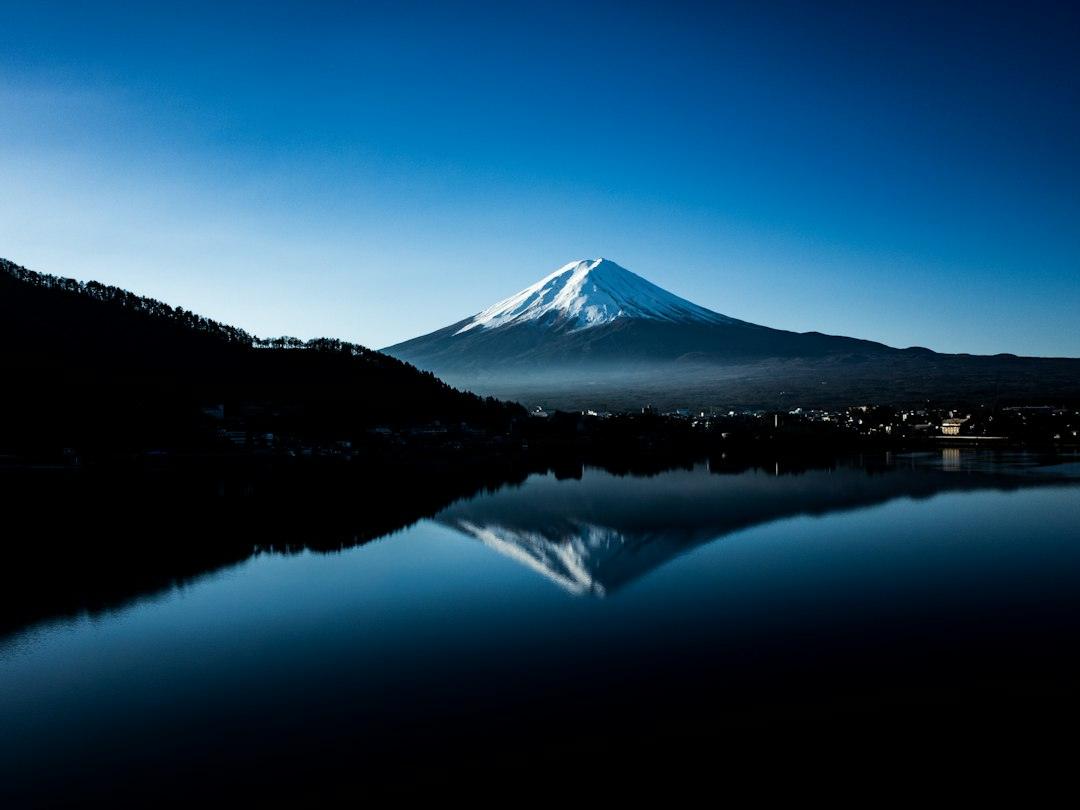
Lake Kawaguchiko is a popular first stop for lakeside scenery and mountain views. On clear days, explore the shoreline or ride local sightseeing buses to viewpoints around the lake.
Chureito Pagoda
This classic Mount Fuji viewpoint combines a five-story pagoda with the mountain in the background. Travel to Shimoyoshida Station, then walk toward Arakurayama Sengen Park. Expect stairs and crowds during peak seasons; mountain visibility depends on the weather.
Mt. Fuji Panoramic Ropeway
Near Lake Kawaguchiko, the ropeway takes visitors to an elevated viewpoint. Check operating hours, weather-related suspensions and ticket prices on the official ropeway website.
Oshino Hakkai
Oshino Hakkai is known for its spring-fed ponds and traditional village scenery. It is not beside Kawaguchiko Station, so plan a separate bus connection or tour rather than assuming you can walk there.
Suggested One-Day Mount Fuji Itinerary from Tokyo
- Early morning: Leave Shinjuku by train or highway bus.
- Late morning: Explore Lake Kawaguchiko and take photographs if the mountain is visible.
- Lunch: Try a local restaurant near Kawaguchiko Station or the lake.
- Afternoon: Choose one main extra attraction, such as Chureito Pagoda or the panoramic ropeway.
- Evening: Return to Kawaguchiko Station with time to spare for your reserved trip to Tokyo.
When Is the Best Time to See Mount Fuji?
Mount Fuji can be visible throughout the year, but clear winter days often offer excellent visibility. Cherry blossom and autumn foliage seasons are particularly scenic and busy. Clouds can hide the mountain even when the forecast looks pleasant, so check visibility on the morning of your visit. Seeing the mountain from Kawaguchiko is different from climbing it; hiking routes have separate seasonal rules and safety requirements.
Tips on Traveling to Mount Fuji
- Start early: Morning views are often better, and popular viewpoints fill up quickly.
- Reserve your return: Trains and buses can sell out on busy dates.
- Dress in layers: Temperatures near the lakes can be cooler than central Tokyo.
- Do not overpack your itinerary: Travel between attractions takes longer than a map may suggest.
- Keep a backup plan: If clouds hide Mount Fuji, enjoy the lakes, cafés and local museums instead.
Frequently Asked Questions
Can I visit Mount Fuji from Tokyo in one day?
Yes. A day trip to Kawaguchiko is practical if you leave early and focus on one or two nearby attractions. Climbing Mount Fuji is a separate trip requiring much more planning.
What is the cheapest way from Tokyo to Kawaguchiko?
The direct highway bus from Shinjuku is a strong budget option at the operator’s published fare of ¥2,200 one way. Compare any discounts and your departure point before booking.
Does the Fuji Excursion train go to Mount Fuji’s summit?
No. It serves stations in the Mount Fuji sightseeing area, including Kawaguchiko. Reaching trailheads or the 5th Station requires separate transport, subject to seasonal availability.
Is Kawaguchiko or Hakone better for a first visit?
Choose Kawaguchiko if your priority is classic Mount Fuji views. Hakone is better if you want hot springs, museums and a broader resort experience; mountain views there are weather-dependent too.
Bonus Tips: Plan Your Arrival in Tokyo First
Flying into Japan before your Mount Fuji trip? Read our Narita Airport to Tokyo transportation guide to compare airport trains, buses and fares before heading to Shinjuku.
Information reviewed October 2026. Verify fares, operating dates and weather before departure. Official references: Fujikyu Railway, Highway Bus and Mt. Fuji Panoramic Ropeway.