Tokyo to Kyoto by Shinkansen: Tickets, Prices & Travel Time (2026)
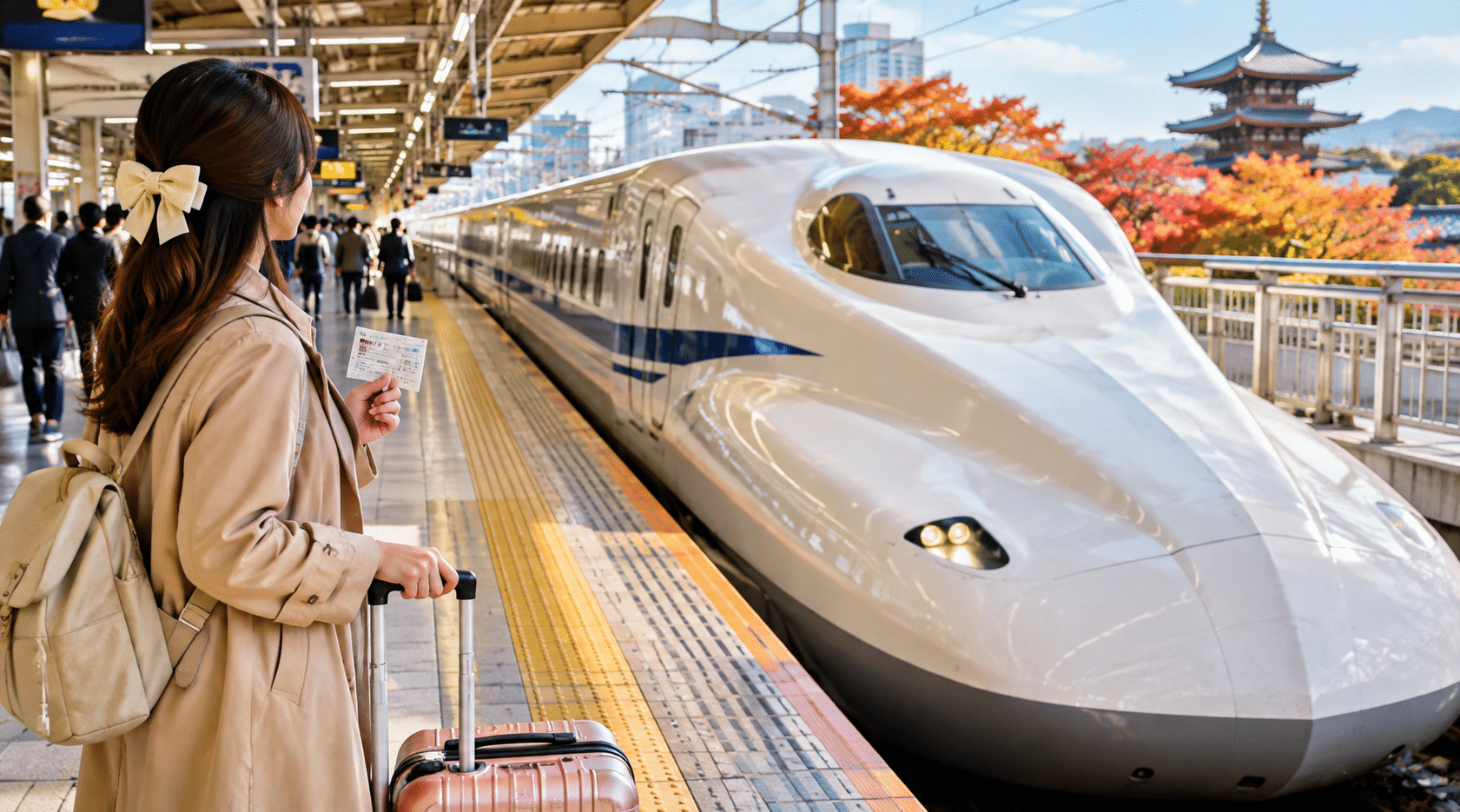
Traveling from Tokyo to Kyoto is one of the most popular train trips in Japan. The fastest and easiest way is the Tokaido Shinkansen bullet train, which takes you from central Tokyo to Kyoto Station in a little over two hours.
This guide explains which train to take, how much tickets cost, where to buy them, and what to know about luggage and seats.
Take the Nozomi Shinkansen from Tokyo or Shinagawa Station. It takes about 2 hours 15 minutes and a reserved seat costs about ¥14,170 one way (regular season). With a JR Pass, take the Hikari (about 2 hours 40 minutes) at no extra cost, or pay a supplement to ride the Nozomi.
Nozomi, Hikari or Kodama: Which Train Should You Take?
Three types of Shinkansen run between Tokyo and Kyoto on the same line. They differ in speed and number of stops.
| Train | Travel time | Best for |
|---|---|---|
| Nozomi | About 2 h 15 min | Most travelers. Fastest and most frequent. |
| Hikari | About 2 h 40 min | JR Pass holders who do not want to pay a supplement. |
| Kodama | About 3.5–4 hours | Not recommended. It stops at every station. |
Trains leave from Tokyo Station and Shinagawa Station. Shinagawa is often more convenient if you stay in Shibuya, Ebisu or the south of Tokyo. Both stations are on the Yamanote Line.
Tokyo to Kyoto Shinkansen Ticket Prices
The table below gives indicative historical one-way adult fares from Tokyo Station to Kyoto Station, not a live quote. Fares depend on train, seat, season and booking product. Confirm your actual total with official smartEX before paying:
| Seat type | Nozomi | Hikari / Kodama |
|---|---|---|
| Non-reserved seat | ¥13,320 | ¥13,320 |
| Reserved seat | ¥14,170 | ¥13,850 |
| Green Car (first class) | ¥19,040 | ¥18,720 |
Reserved-seat prices go up by about ¥200–400 in busy seasons and down by about ¥200 in quiet periods. Children aged 6–11 pay roughly half price.
Prices can change. Check the final price when you book.
Reserved or Non-Reserved?
A reserved seat costs a little more, but it guarantees you a seat. We recommend it for most travelers, especially with luggage, on weekends, or when traveling as a group.
During the busiest holidays (New Year, Golden Week in early May, and Obon in mid-August), the Nozomi has often been all-reserved, with no non-reserved cars. Book early for these dates.
Where to Buy Shinkansen Tickets
- Online with smartEX: The official JR Central and JR West booking service. It works in English, accepts foreign credit cards, and lets you change your train for free before departure. You can board with a QR ticket or an IC card such as Suica.
- Ticket machines: Red or green reserved-seat machines at Tokyo and Shinagawa Stations have an English menu.
- Ticket office: Staffed JR ticket offices at major stations. Expect lines at busy times.
Seats go on sale one month before the travel date. If you already use a Suica card, see our guide on how to use Suica in Japan. Note that a Suica balance alone does not pay for a Shinkansen ticket unless you link the card to a smartEX booking.
Using the Japan Rail Pass
The nationwide Japan Rail Pass covers the Hikari and Kodama. To ride the Nozomi, you must purchase a separate special Nozomi/Mizuho ticket for pass holders. The Nozomi/Mizuho special ticket costs extra; check the exact supplement for your travel date on the official Japan Rail Pass website.
A JR Pass is usually only worth it if you also make other long JR trips, such as continuing to Hiroshima or returning to Tokyo within the pass period. For a simple Tokyo–Kyoto round trip, individual tickets are often cheaper. Check the latest pass price on the official Japan Rail Pass website.
Luggage Rules on the Shinkansen
Large suitcases need a special reservation on the Tokaido Shinkansen. The size is measured as height + width + depth.
- Up to 160 cm: No reservation needed. Use the overhead rack or the space at your feet.
- 161–250 cm: Reserve a “seat with an oversized baggage area.” It costs the same as a normal reserved seat.
- Over 250 cm: Not allowed on board.
Traveling light makes the day much easier. If you need to store bags for a few hours in Tokyo or Kyoto, read our guide to coin lockers in Japan.
How to See Mount Fuji from the Shinkansen
On a clear day, you can see Mount Fuji from the train. When traveling from Tokyo to Kyoto, sit on the right side of the train. In ordinary cars, this is the E seat (window seat in the row of three). In the Green Car, choose the D seat.
The best views usually come less than an hour after leaving Tokyo, around Shin-Fuji Station. Winter mornings often have the clearest skies.
Arriving at Kyoto Station
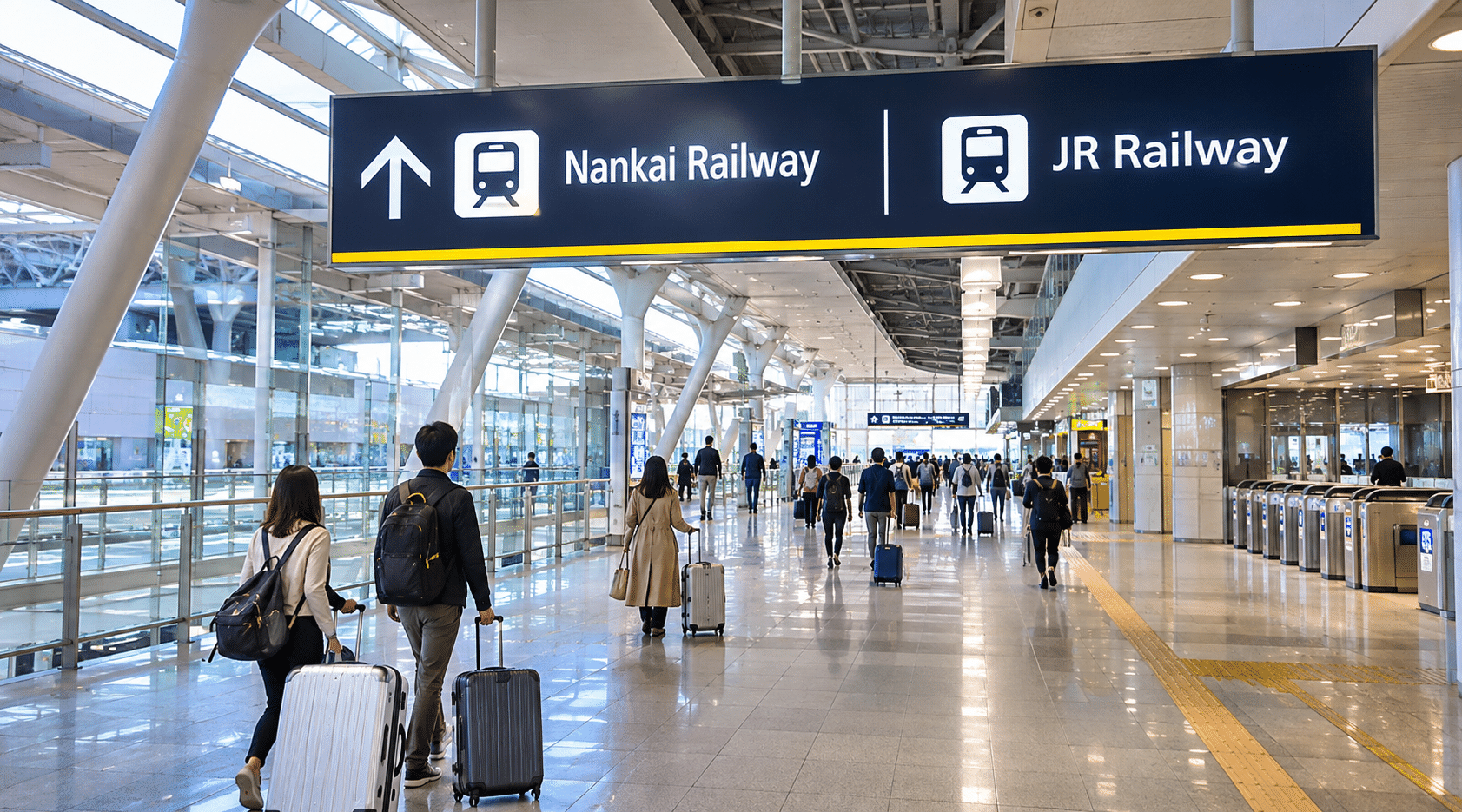
The Shinkansen platforms are on the south side of Kyoto Station (Hachijo side). From the station, you can take city buses, the subway, or JR trains to most sightseeing areas. Taxis wait outside both main exits.
Once you arrive, plan your days with our guide to the best things to do in Kyoto. Nara is also an easy day trip from Kyoto. See our list of the best things to do in Nara.
- Book a reserved seat on weekends and holidays, especially with a large suitcase.
- Buy a bento lunch at Tokyo Station before boarding. Eating on the Shinkansen is normal.
- Arrive at the platform 10 minutes early. Trains leave exactly on time and stop for only about one minute.
- Continuing to Osaka? Shin-Osaka is only about 15 minutes further on the same train.
Other Ways to Travel from Tokyo to Kyoto
- Highway bus: The cheapest option. Overnight buses take about 7–8 hours, but save on one night’s hotel.
- Flight: Kyoto has no airport. You would fly to Itami or Kansai Airport and continue by train or bus, so it is rarely faster than the Shinkansen.
For most travelers, the Shinkansen is the best balance of speed, comfort and convenience. Check timetables and book on the official smartEX website.
Planning more of your trip? Explore the best things to do in Osaka or the best things to do in Tokyo. Not sure where to go next? Try TrendyLife Destiny and spin the wheel for your next Japan destination.