
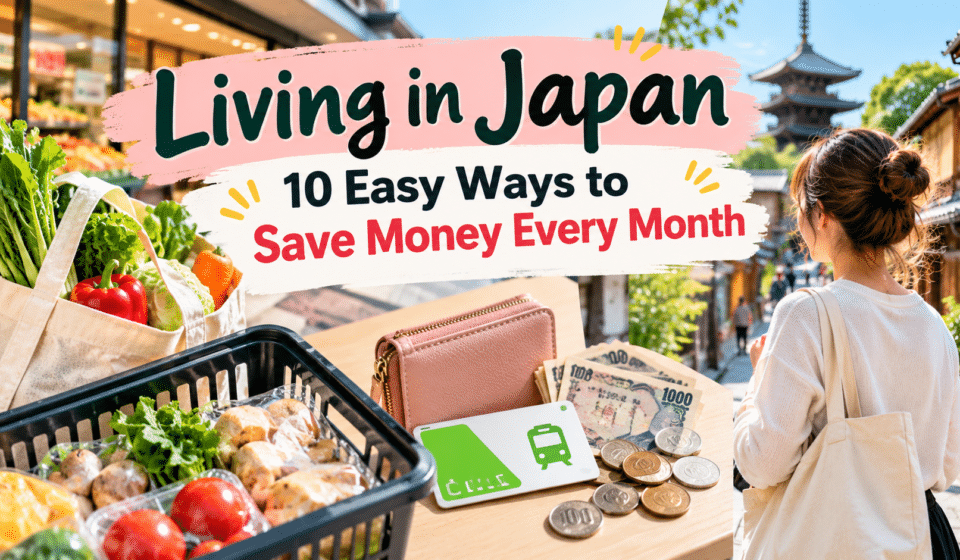
Save Money in Japan: 10 Easy Ways to Save Money Every Month
Living in Japan can be convenient, but everyday costs can add up quickly. The good news is that small changes in how you shop, travel, eat, and manage monthly expenses can make a noticeable difference. This guide shares 10 easy ways to save money in Japan without making daily life feel restrictive.
If you are also planning trips around the country, our Japan Travel Tips page has practical advice on transport, budgeting, payments, and packing.
Table of Contents
1. Compare Supermarkets Before You Shop
Prices can vary a lot between supermarkets, even for the same basic items. Instead of buying everything at one store, learn which nearby shops are best for vegetables, meat, rice, frozen food, or household goods.
Even a small difference on items you buy every week can add up over a month.
2. Shop Later in the Day for Discounted Food
Many supermarkets reduce the price of prepared meals, bread, sushi, meat, and other fresh items later in the day. Look for discount stickers on items you plan to eat soon.
This is one of the easiest ways to reduce food spending without changing what you eat.
3. Use Point Cards and Store Apps
Many stores in Japan offer points, coupons, member prices, or app-only discounts. If you regularly shop at the same supermarket, drugstore, convenience store, or clothing chain, check whether their loyalty program is worth using.
Avoid joining every program. Focus on the places where you already spend money.
4. Make Convenience Stores a Backup, Not the Default
Convenience stores are extremely useful, but buying drinks, snacks, lunches, and household items there every day can become expensive.
Use them when you need convenience, but buy regular groceries, bottled drinks, and basic household supplies at supermarkets or drugstores when possible.
5. Cook Simple Meals at Home
You do not need complicated recipes to save money. Rice, eggs, tofu, vegetables, noodles, curry, soup, and simple stir-fries can be affordable and easy to prepare.
Cooking a few meals at home each week can reduce the amount you spend on restaurants and takeaway food.
6. Check Drugstores for More Than Medicine
Japanese drugstores often sell snacks, drinks, toiletries, cleaning products, cosmetics, and everyday household items in addition to medicine.
Depending on the store, these products can be cheaper than convenience stores or department stores, especially when combined with coupons or points.
7. Buy Secondhand When It Makes Sense
Japan has a large secondhand market. Furniture, clothing, books, electronics, baby items, and household goods can often be found in very good condition.
Before buying something new, especially an item you will not use every day, check local recycle shops or secondhand marketplaces.
8. Review Transportation Costs
If you commute regularly, compare the cost of individual fares with commuter passes or other available ticket options. For weekend travel, check whether a day pass or regional pass actually matches your route before buying it.
The cheapest option depends on how often and where you travel, so compare before committing.
9. Watch Your Utility Use
Small habits can help reduce electricity, gas, and water costs. Turn off lights when you leave a room, avoid running heating or air conditioning more than needed, and wash full loads when possible.
You do not need extreme changes. Consistent small savings across several bills can make a difference over time.
10. Set a Simple Monthly Spending Limit
One of the easiest ways to control spending is to decide in advance how much you want to spend on groceries, eating out, shopping, transport, and entertainment.
You can track this in a notes app, spreadsheet, budgeting app, or simply by checking your bank and card history once a week.
Bonus Tip: Separate Needs from Convenience Spending
Many small purchases are not expensive by themselves, but they become costly when repeated every day. Drinks from vending machines, convenience-store snacks, delivery fees, and impulse purchases are common examples.
You do not need to remove them completely. Just notice which ones happen automatically and decide which are actually worth keeping.
For more official guidance on becoming a smarter consumer in Japan, see the Consumer Affairs Agency’s consumer education resources.
Quick Monthly Savings Checklist
- Compare supermarket prices for your regular groceries.
- Check evening discount stickers before buying prepared food.
- Use only the point programs you actually benefit from.
- Review transport passes and recurring travel costs.
- Check your electricity, gas, and water use once a month.
- Set a simple spending limit for groceries, eating out, and shopping.
FAQ: Saving Money in Japan
What is the easiest way to save money in Japan?
For many people, the easiest place to start is food spending. Comparing supermarkets, cooking a few more meals at home, and buying discounted prepared food later in the day can reduce monthly costs quickly.
Are point cards worth using in Japan?
They can be useful if you already shop regularly at the same stores. The key is to focus on a small number of programs rather than signing up for every available point card or app.
Is it cheaper to shop at convenience stores or supermarkets?
Convenience stores are useful for speed and availability, but supermarkets and drugstores are often better for regular groceries, drinks, and household items.
Final Thoughts
Saving money while living in Japan does not have to mean giving up everything you enjoy. The goal is to spend less on things that do not matter much to you, so you have more room for the things that do.
Start with two or three tips from this list and make them part of your routine. Once they become automatic, add another. For ideas on affordable places to explore, browse our Japan Destinations page.
Make Everyday Life in Japan Easier
Explore practical guides for saving money, shopping smarter, getting around, and enjoying daily life in Japan.



[…] you are trying to lower your monthly expenses overall, start with our 10 Easy Ways to Save Money in Japan […]