Best Time to Visit Saitama: Seasonal Guide for Spring, Summer, Autumn & Winter
The best time to visit Saitama depends on what you want to see. Spring is ideal for cherry blossoms and shibazakura, summer is best for green mountain scenery and river activities, autumn brings some of the prefecture’s most dramatic foliage, and winter is quieter with crisp views and seasonal events.
This seasonal guide compares spring, summer, autumn, and winter in Saitama, with practical suggestions for Kawagoe, Chichibu, Nagatoro, and Omiya.
Table of Contents
Best Time to Visit Saitama at a Glance
- March–April: cherry blossoms and mild sightseeing weather
- Mid-April–early May: shibazakura at Hitsujiyama Park
- June–August: lush green scenery, river activities, festivals, and mountain escapes
- October–November: autumn leaves, especially around Chichibu and Nagatoro
- December–February: fewer crowds, crisp air, winter events, and quiet cultural sightseeing
Spring in Saitama
Spring is one of the easiest seasons for first-time visitors. Temperatures are generally comfortable for walking, and cherry blossoms add color to historical areas such as Kawagoe.
Cherry Blossoms in Kawagoe
Kawagoe works especially well in spring because you can combine historic streets, temples, shrines, cafés, and seasonal blossoms in one compact day trip.
Start with our Kawagoe Day Trip from Tokyo guide for an easy sightseeing route.
Shibazakura at Hitsujiyama Park
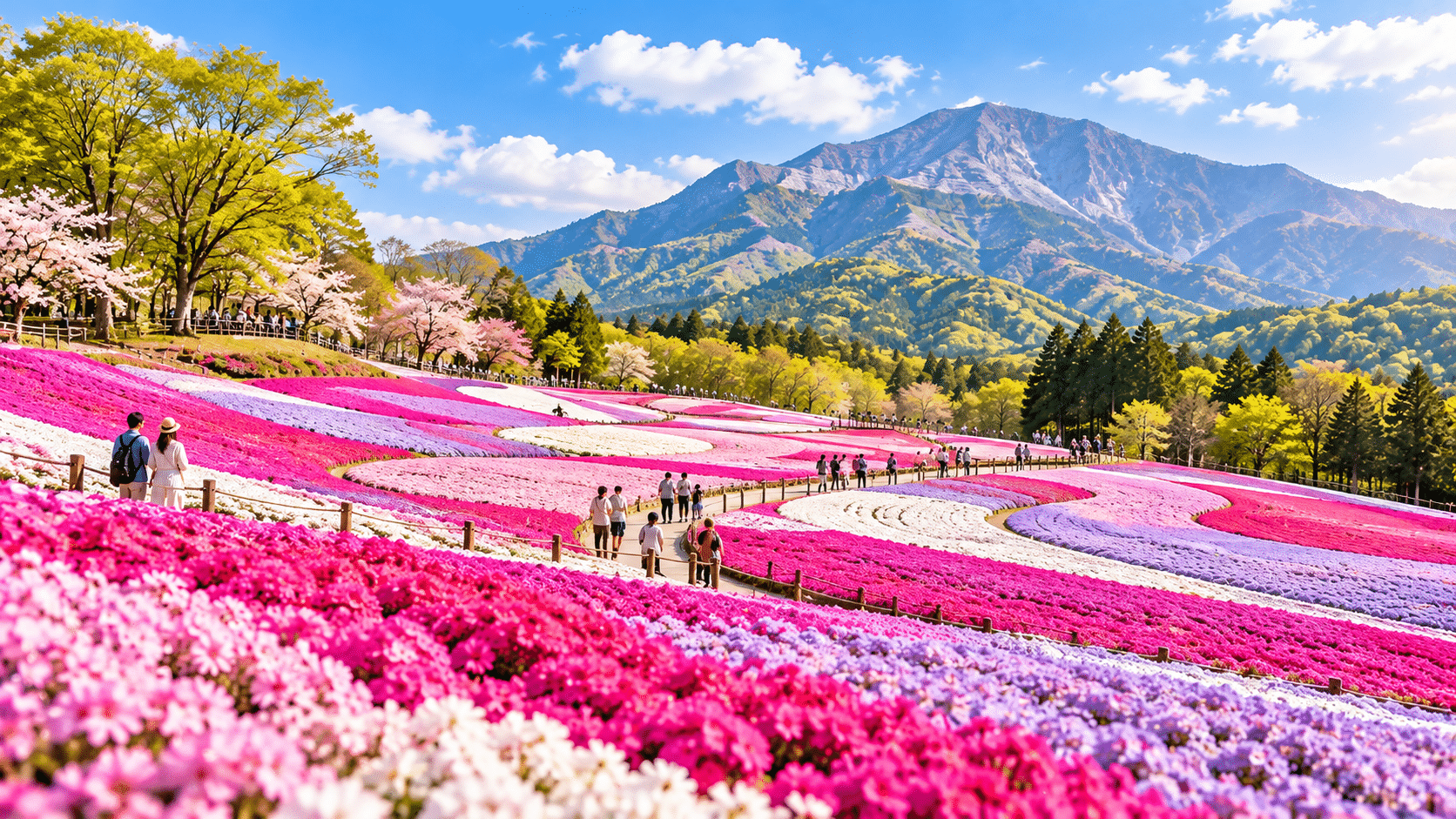
One of Saitama’s signature spring sights is the pink moss phlox at Hitsujiyama Park in Chichibu. The exact bloom changes each year, but the main season is usually around mid-April through early May.
See our Hitsujiyama Park Guide before planning your visit.
Summer in Saitama
Summer is hotter and more humid, but it is a good time for mountain scenery, river activities, green landscapes, and festivals. Chichibu and Nagatoro are especially attractive if you want to escape the dense urban environment of Tokyo.
Nagatoro River Activities
Nagatoro is known for the Arakawa River, Iwadatami rock formations, traditional boat rides, and easy access to Mount Hodo. Green scenery is at its strongest in the warmer months.
Use our Nagatoro River Cruise Guide for courses, prices, boarding information, and weather advice.
Summer Travel Tip
Start early, carry water, and schedule longer outdoor walks before the hottest part of the afternoon. River and mountain areas can feel more comfortable than central Tokyo, but summer heat is still important to plan around.
Autumn in Saitama
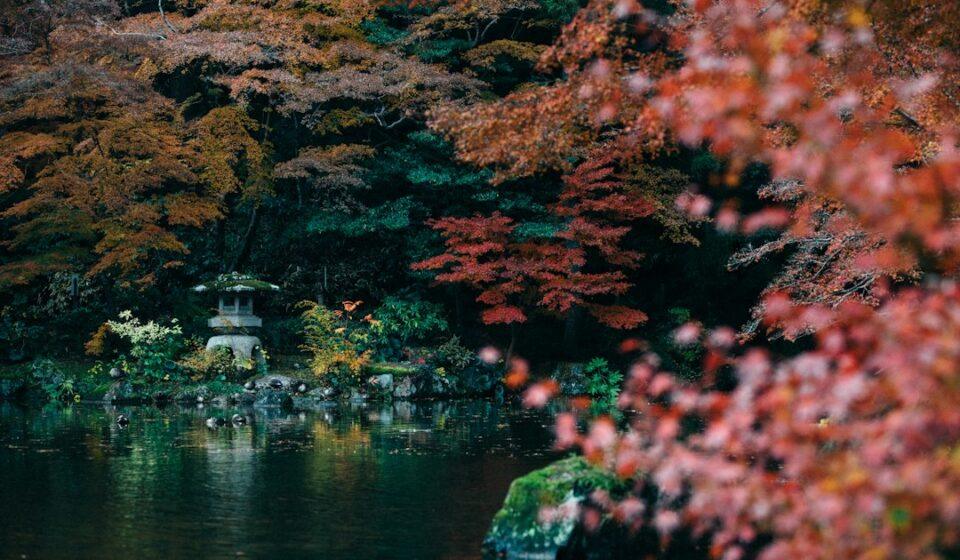
For nature-focused travelers, autumn is one of the strongest seasons in Saitama. Nagatoro is particularly well known for fall foliage, and the official Saitama Tourism Support Desk notes that the area becomes especially popular in November when the leaves reach their peak.
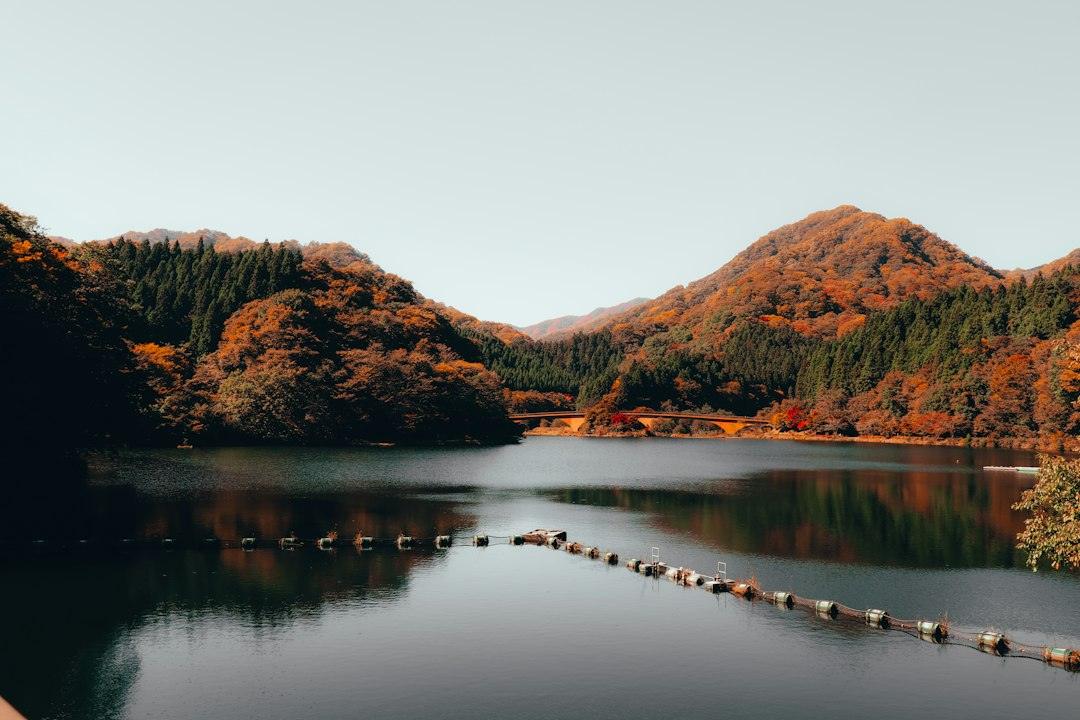
Popular autumn areas include Iwadatami, Mount Hodo, and Tsuki no Ishi Momiji Park. The park is especially known for maple leaves and seasonal illumination.
For timing and viewing areas, read our Nagatoro Autumn Leaves guide.
Winter in Saitama
Winter is a good choice if you prefer fewer crowds and crisp sightseeing weather. Kawagoe, Omiya, temples, museums, and indoor attractions are easier to enjoy without the heat of summer.
Chichibu also has strong winter appeal. The famous Chichibu Night Festival is held in early December, making the start of winter especially interesting for festival travelers.
See our Chichibu Night Festival Guide for dates, access, fireworks information, and practical tips.
Best Season by Destination
- Kawagoe: spring and autumn for comfortable walking and seasonal scenery
- Chichibu: spring for shibazakura, autumn for mountain colors, and early winter for the Night Festival
- Nagatoro: summer for river scenery and autumn for foliage
- Omiya: year-round, especially good when you want museums, bonsai, and easy urban access
For more destination ideas, browse our Best Day Trips from Tokyo to Saitama guide.
Best Season for Different Travel Styles
- Best for flowers: spring
- Best for rivers and green scenery: summer
- Best for hiking and foliage: autumn
- Best for fewer crowds: winter
- Best overall for first-time visitors: spring or autumn
Useful Seasonal Travel Tips
- Check bloom and foliage forecasts close to your travel date because timing changes from year to year.
- Book popular trains and accommodation earlier during peak spring and autumn weekends.
- Bring rain protection during the early-summer rainy season.
- Carry water and sun protection in July and August.
- Mountain areas can be cooler than Tokyo, especially in autumn and winter.
- Check official event pages before traveling because festival schedules and illuminations can change.
Official seasonal ideas and current destination information are available from the Saitama Tourism Support Desk.
FAQ
What is the best month to visit Saitama?
April and November are especially attractive because they combine comfortable sightseeing weather with major seasonal scenery. April is associated with spring blossoms, while November is a strong month for autumn leaves in places such as Nagatoro.
Is Saitama worth visiting in winter?
Yes. Winter is quieter and works well for Kawagoe, Omiya, museums, temples, and Chichibu. Early December is also important because of the Chichibu Night Festival.
When are autumn leaves best in Nagatoro?
November is typically the main autumn foliage period in Nagatoro, although the exact peak changes depending on weather conditions each year.
Final Thoughts
There is no single bad season for Saitama, but spring and autumn are the easiest choices for most travelers. Choose spring for flowers, summer for rivers and green landscapes, autumn for foliage, or winter for quieter sightseeing and seasonal events.
Not sure which Saitama destination to choose?
👇 Click the guide below to compare the best easy day trips from Tokyo.